
Richland, WA
Garage Door Panel Replacement in Richland, WA
Dented or rotted garage door panels show up often on Richland's 1980s and 90s homes. Learn why panel replacement makes sense and when a full door is smarter.
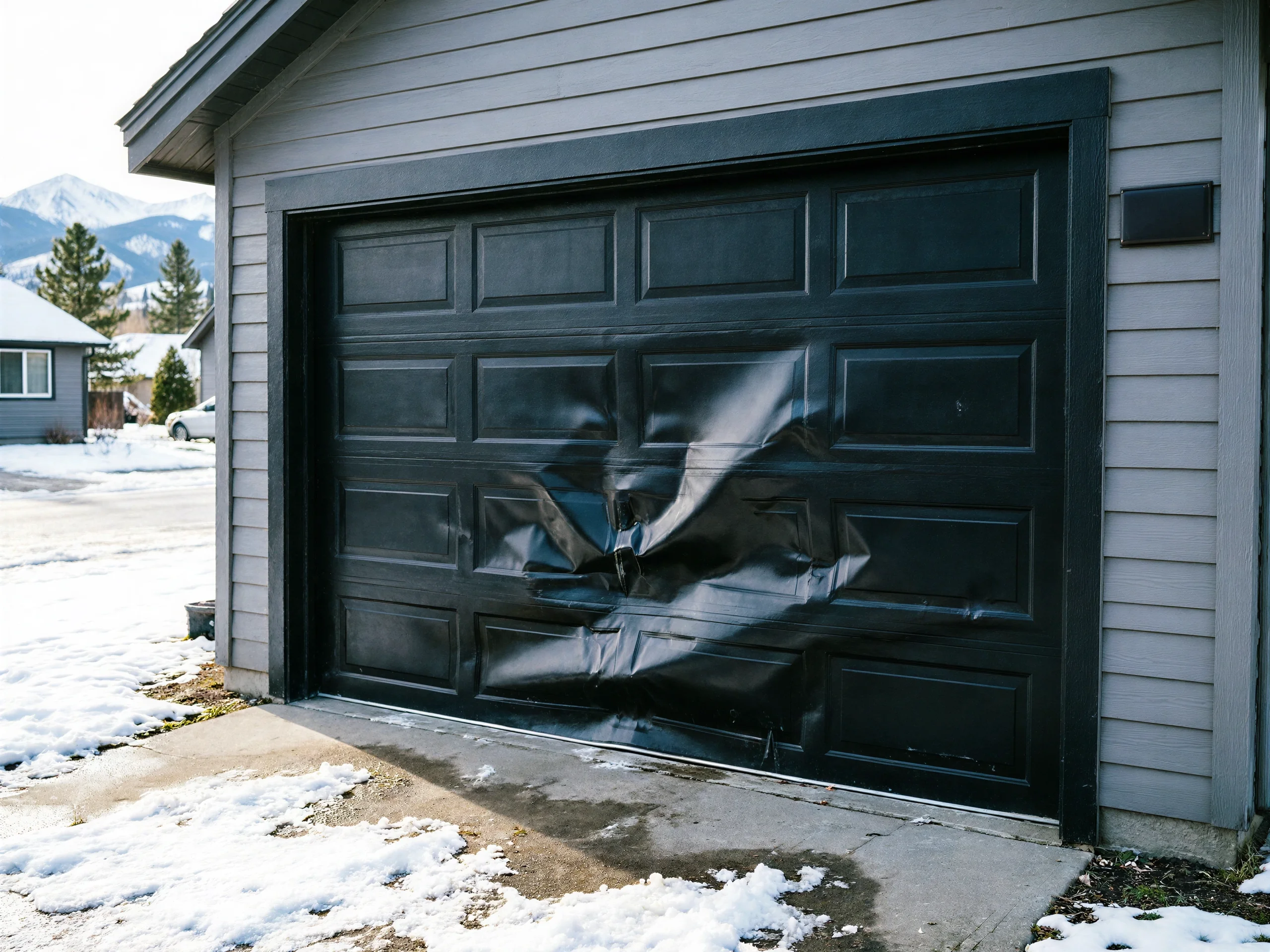
The Symptom
You notice it walking past the door more than driving up to it: a dent low on the second panel where a bike pedal or a bumper caught it, a seam that's started to bow out, or a bottom panel gone soft and rusty along the edge that sits closest to the slab.
Faded and chalked panels
Sometimes it's not damage at all - just a panel that's faded or chalked so much next to the others that the whole door looks patched even when it isn't. This is a common call in Richland because so much of the housing stock here was built between 1981 and 2000, with a lot of it clustered right around 1989.
Panels in later decades
That means a large share of garage doors in this service area are now entering their third or fourth decade, and steel and composite panels from that era simply don't hold up the way a ten-year-old door does. One bent panel on a thirty-year-old door isn't a small cosmetic problem - it's usually the first visible sign that the rest of the door is close behind it.
Freeze-thaw panel cracking
We also see panel trouble show up seasonally. Cold winters put steel through repeated freeze and thaw cycles, and panels that already have a weak spot or a hairline rust line tend to crack or buckle right where that stress concentrates.
Can You Do This Yourself
Swapping a single panel sounds simple and sometimes it is, if you can get the exact matching panel. That's the hard part. Doors built in the 1980s and 90s came in profiles and colors that a lot of manufacturers have since discontinued, so you can't always walk into a supply house and order a replacement panel for a thirty-year-old door and expect it to match the groove pattern, the color, or even the panel height of the ones next to it.
Panels carry structural load
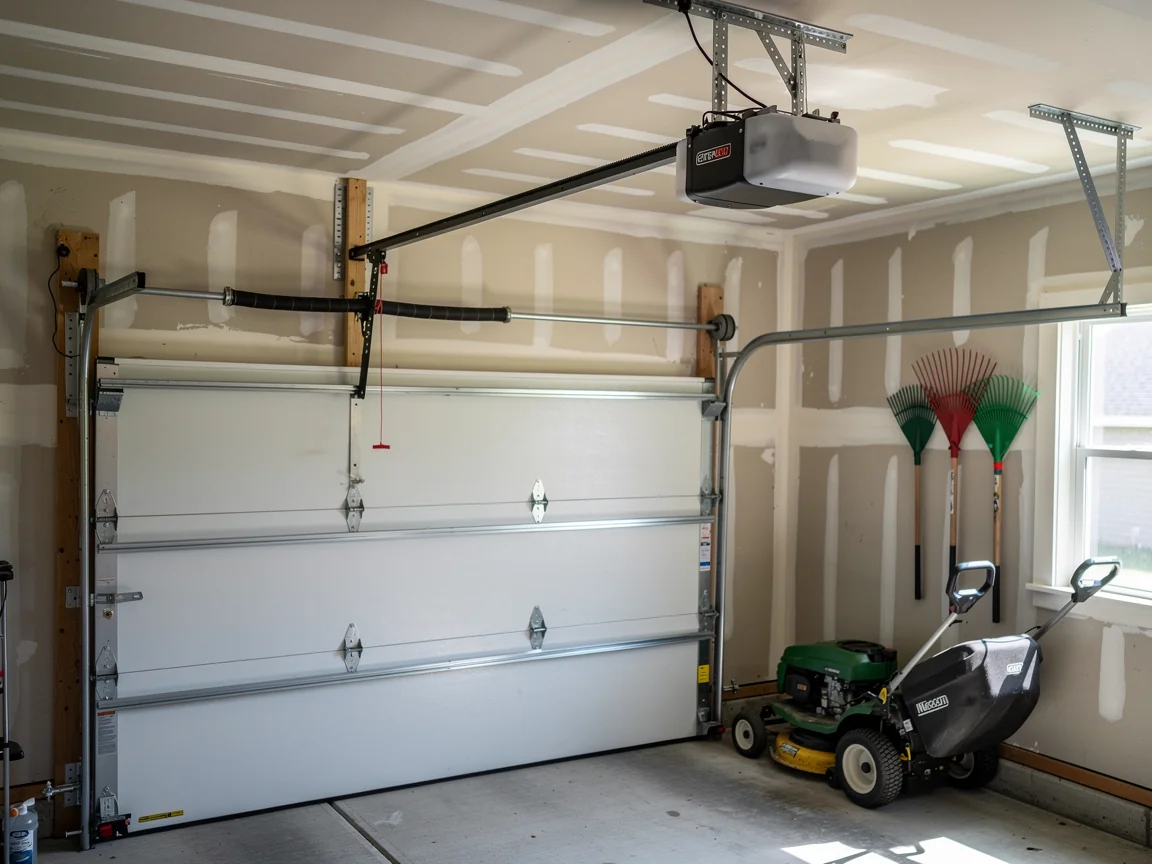
There's also a mechanical side that isn't optional to get right. Panels carry structural load on a sectional door - they're part of what keeps the door rigid against wind and keeps the track rollers aligned.
Removing panels without support
Pull one panel out without supporting the door properly, and you can throw the whole section out of square, which stresses the torsion spring and the opener on the next cycle. If your door is a newer, common profile and you're comfortable with hand tools and a second set of hands to hold the door steady, a single panel swap is within reach for some homeowners.
Older door panel diagnosis
If the door is from that 1980s-90s build era, or the panel you need isn't sold anymore, you're often better off having someone look at it before you order anything, because the fix might not be a panel at all.
Why This Fails Locally
Two things stack on top of each other here. First, the age of the housing stock: with most homes in this service area dating to the 1981-2000 window, a huge number of original garage doors are now old enough that their panels are brittle, their finish is chalked, and their exact replacement parts are no longer manufactured. A panel repair that would be routine on a ten-year-old door turns into a sourcing problem on one from 1989.
Second, the climate. Richland sits in a cold, moderate band, which means panels go through real freeze-thaw cycling every winter. Steel panels that have already picked up a scratch or a rust spot along the bottom edge don't just sit there - the moisture gets into the seam, freezes, expands the gap, and the next cold snap makes it worse. Composite and aluminum panels handle that cycle differently but age out the same way: seams loosen, foam backing separates from the skin, and the panel stops sitting flush against its neighbors.
Put those two together and you get a service area where panel failure isn't random - it clusters in houses built in that same twenty-year window, and it tends to show up worse after a hard winter rather than gradually over a mild one.
What Can Go Wrong
The most common mistake is ordering a panel that's close but not exact - close enough to look okay in a photo, wrong enough that it doesn't match the existing panel's thickness or weight.
Mismatched panel weight
A door is balanced against spring tension that assumes a certain total weight. Swap in a panel that's even a few pounds off and the door won't rest level, the opener will strain to lift it, and the torsion spring will wear faster than it should.
Custom panel fabrication costs
There's also a risk with discontinued profiles: some owners end up having a custom panel fabricated or painted to match, which can cost more than just replacing the whole section once labor is factored in. On a door that's already thirty-plus years old, putting new money into one panel sometimes means you're propping up a door that's going to need full replacement within a few years anyway.
Unsourced pattern limits
We're straight about this limitation: we don't try to match panel patterns we can't actually source, and we won't sell you a custom-fabricated panel without saying plainly that a full section or full door might be the better dollar-for-dollar call. A mismatched panel that looks wrong from the driveway isn't a fix - it's just a different problem.
Questions
Common questions
Can you replace just one damaged panel instead of the whole door?
Sometimes. It depends on whether the exact panel profile and color are still available. On doors built in the 1980s and 90s - common across this service area - the original profile is often discontinued, which can mean a full section or full door replacement makes more sense than chasing one panel.
Why does my garage door panel keep rusting at the bottom?
The bottom panel sits closest to the slab and takes the brunt of moisture and splashback. In a cold climate like Richland's, that moisture freezes and thaws repeatedly through winter, which accelerates rust and seam separation faster than it would in a milder, drier area.
Is a new panel going to match the rest of my door exactly?
Not always, especially on older doors. Finishes fade differently panel by panel, and older profiles aren't always still in production. We'll tell you upfront if an exact match isn't realistic so you can decide between a close match or replacing the full section.
How do I know if it's a panel problem or a spring problem?
A bent or rusted panel is usually visible and localized to one section. If the whole door feels heavy, won't stay open, or the opener strains on every cycle, that's more likely spring tension or balance, not the panel itself - worth having both checked at once.
Explore more
Explore More Services In Richland, WA
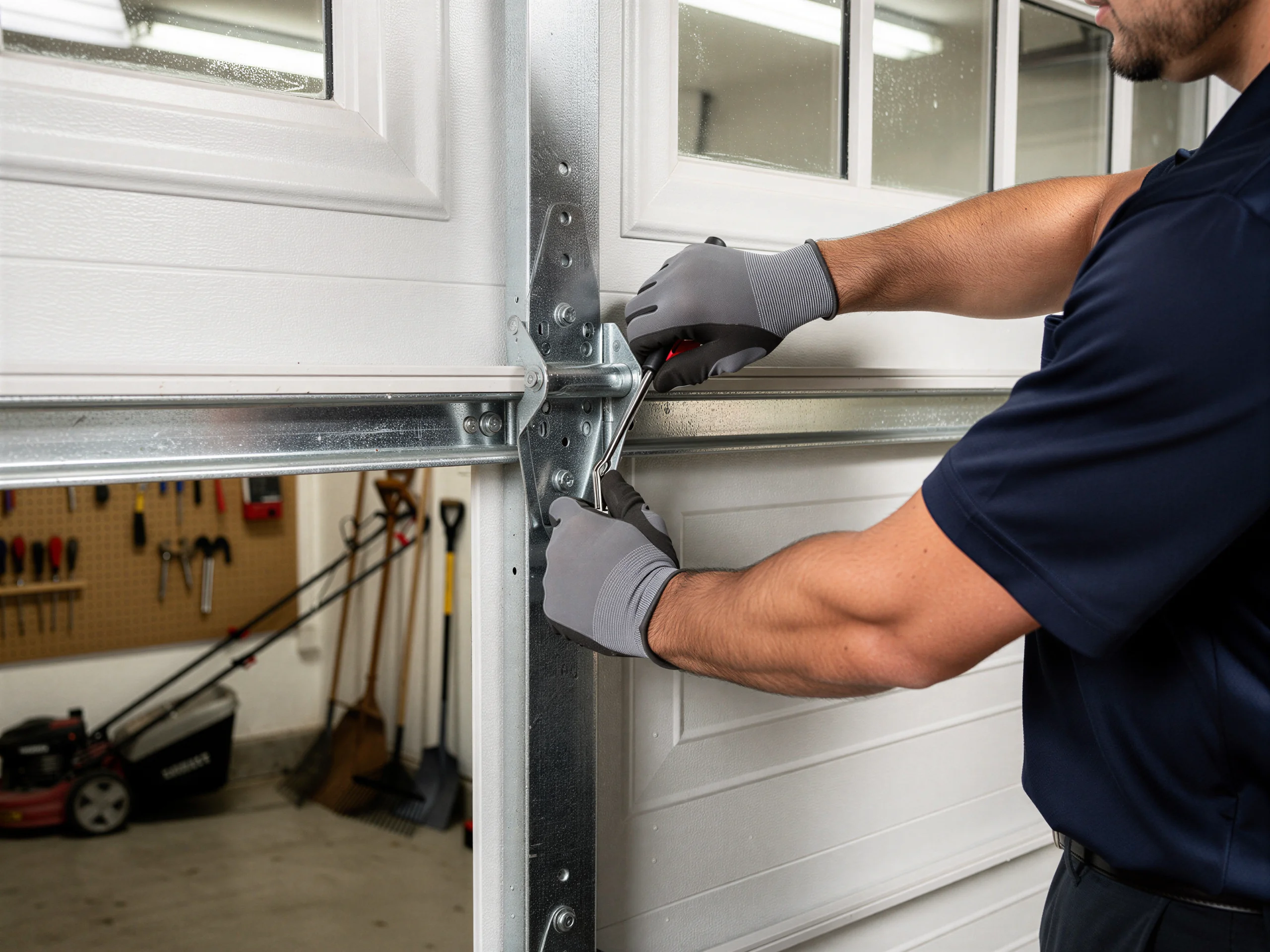
Garage Door Repair for Richland's 1980s and '90s Housing Stock
Garage door repair for Richland homes built mostly 1981-2000, where original torsion springs and worn rollers are now reaching the end of their rated cycles. Learn more →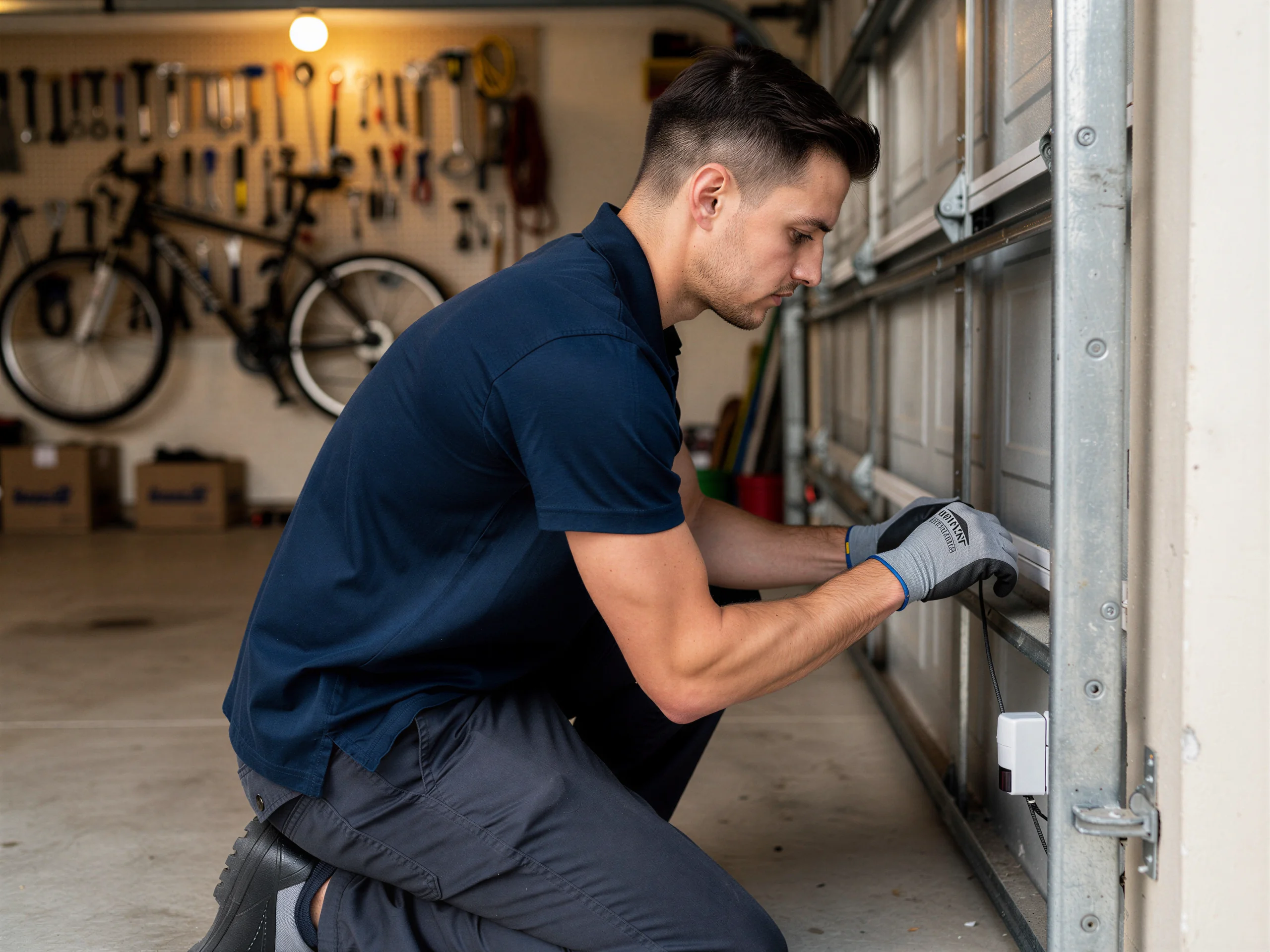
Garage Door Service for Richland's 1980s and 90s Homes
Richland homes built between 1981 and 2000 are hitting the age where original springs and openers fail. Learn more →
Garage Door Maintenance, Richland WA
Garage door maintenance for Richland homes built mostly between 1981 and 2000, where original hardware is now 25-40 years old and overdue for a real inspection. Learn more →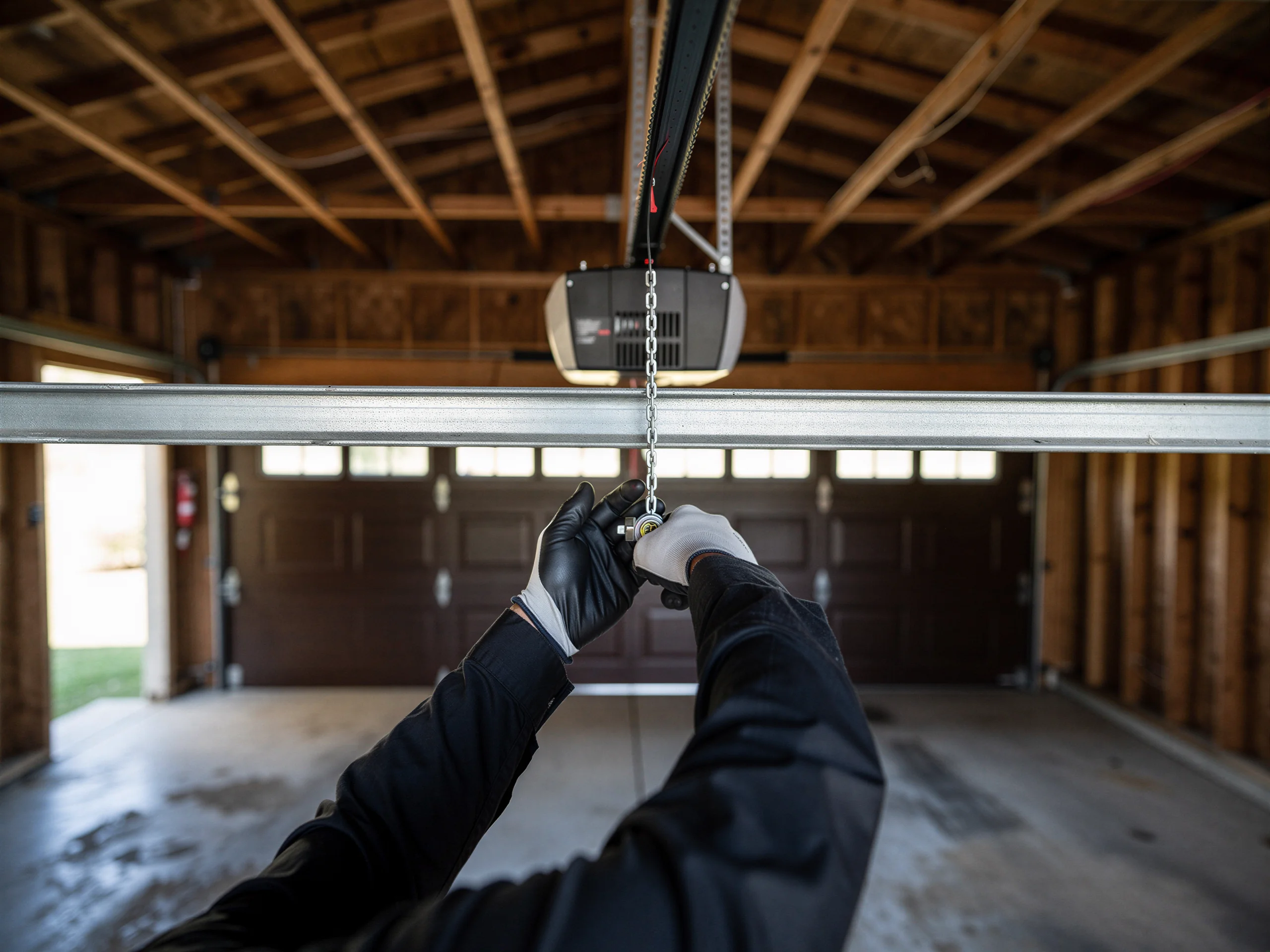
Garage Door Opener Repair for Richland Homes
Opener repair for Richland homes built mostly 1981-2000, where original gear-drive units and cold-soaked circuit boards are finally wearing out. Learn more →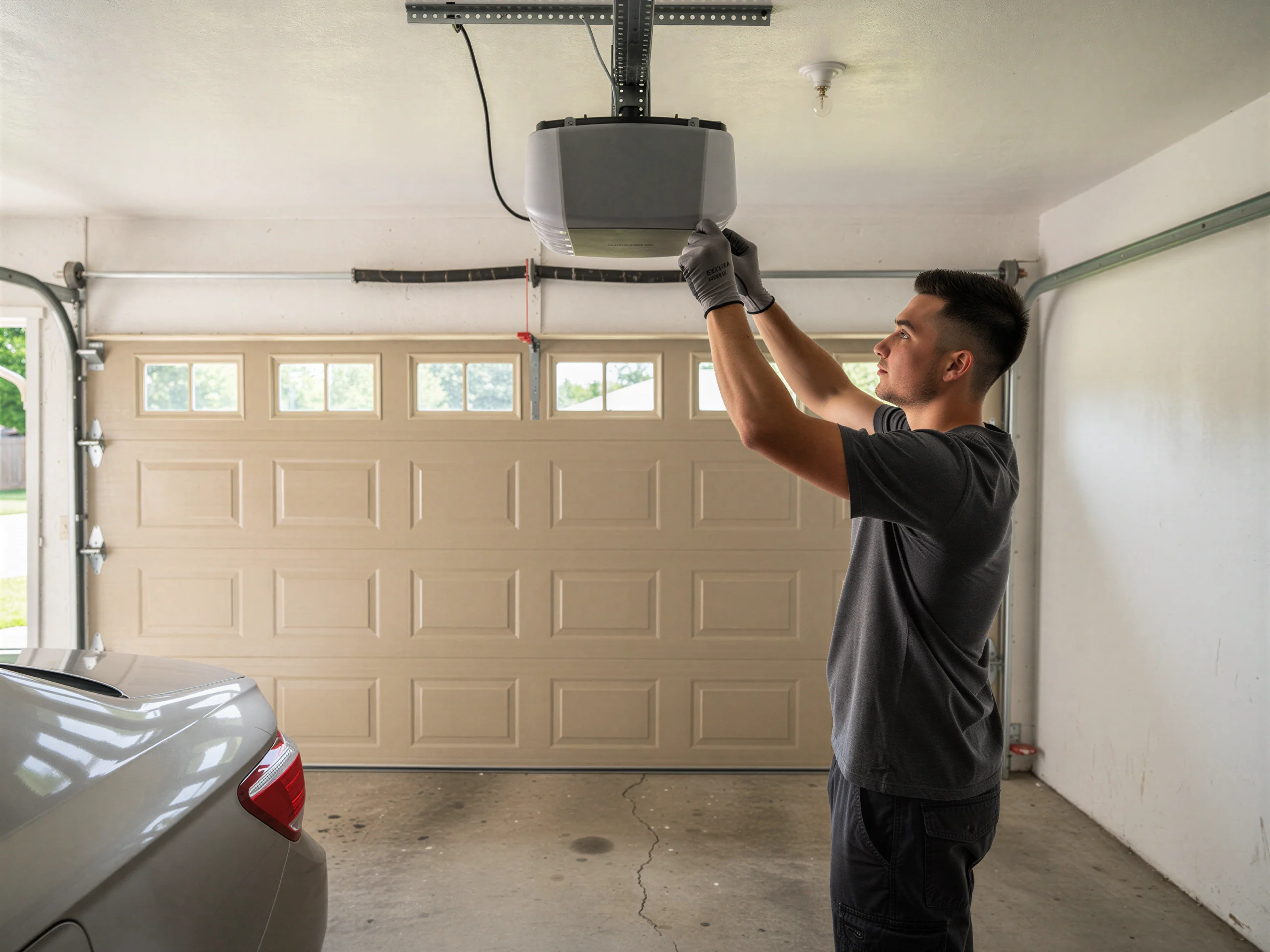
Garage Door Opener Installation in Richland, WA
Opener installation for Richland-area homes built mostly between 1981 and 2000, where original chain-drive units and cold-season wiring issues are common garage door complaints. Learn more →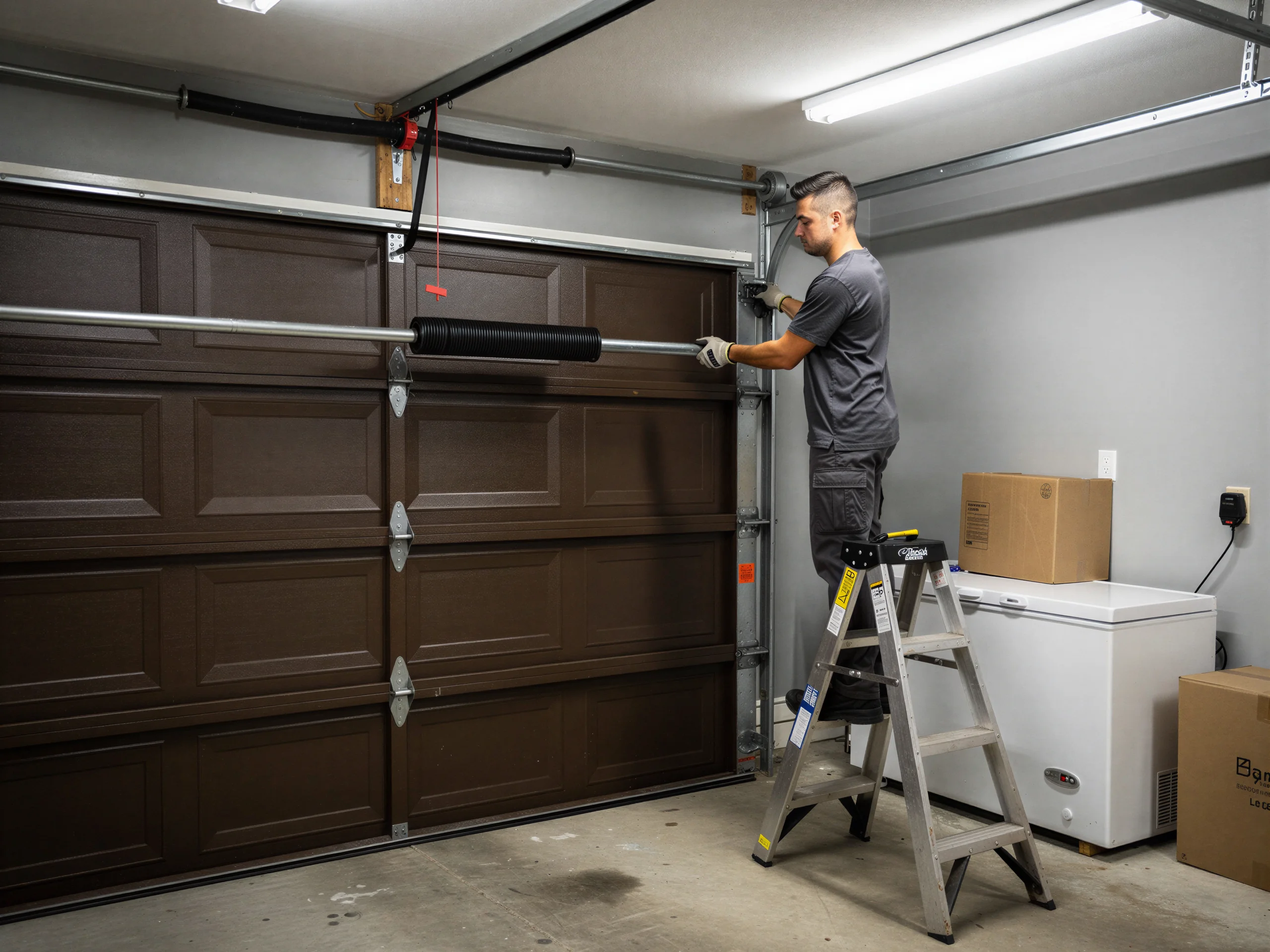
Garage Door Spring Repair for Richland Homes
Torsion springs in Richland homes built in the 1980s and 90s are aging out fast in our cold winters. Learn more →Ready when you are
Need a garage door sorted in Richland?
Richland Garage Door Pros repairs and installs garage doors, springs and openers in Richland, WA and the surrounding area.