Richland, WA
Garage Door Opener Repair for Richland Homes
Opener repair for Richland homes built mostly 1981-2000, where original gear-drive units and cold-soaked circuit boards are finally wearing out. Same service area to Benton City and West Richland.
The Symptom
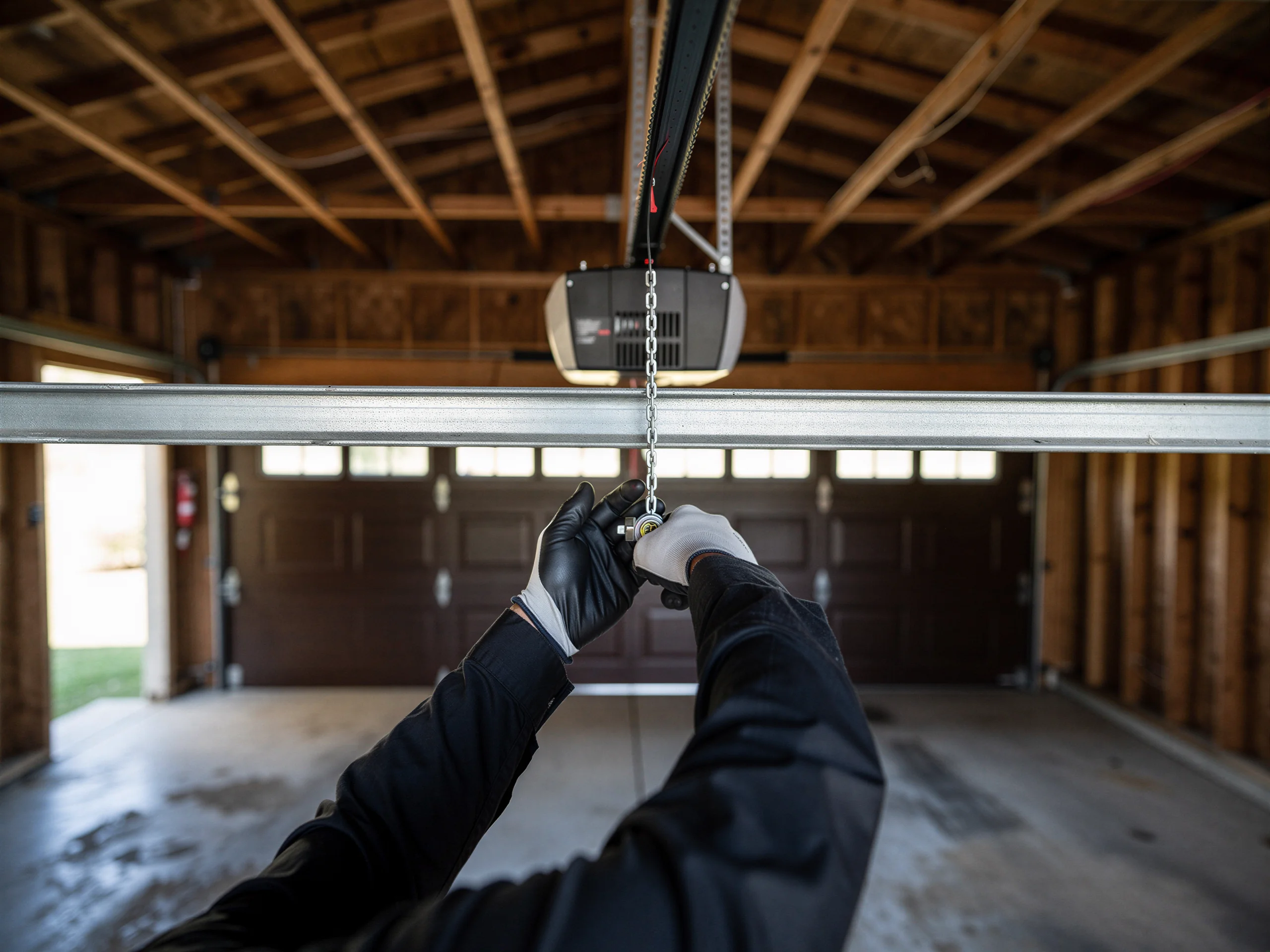
The opener hums but the door doesn't move. Or it moves a few inches and reverses. Or the remote works from the driveway but not from the street, and the wall button only triggers the light.
Silent opener, no click
Sometimes it's just silence - you press the button and nothing happens, not even a click from the motor head. These are opener symptoms, not door symptoms, and the difference matters. A door that's hard to lift by hand points to springs or cables.
Logic boards and limit switches
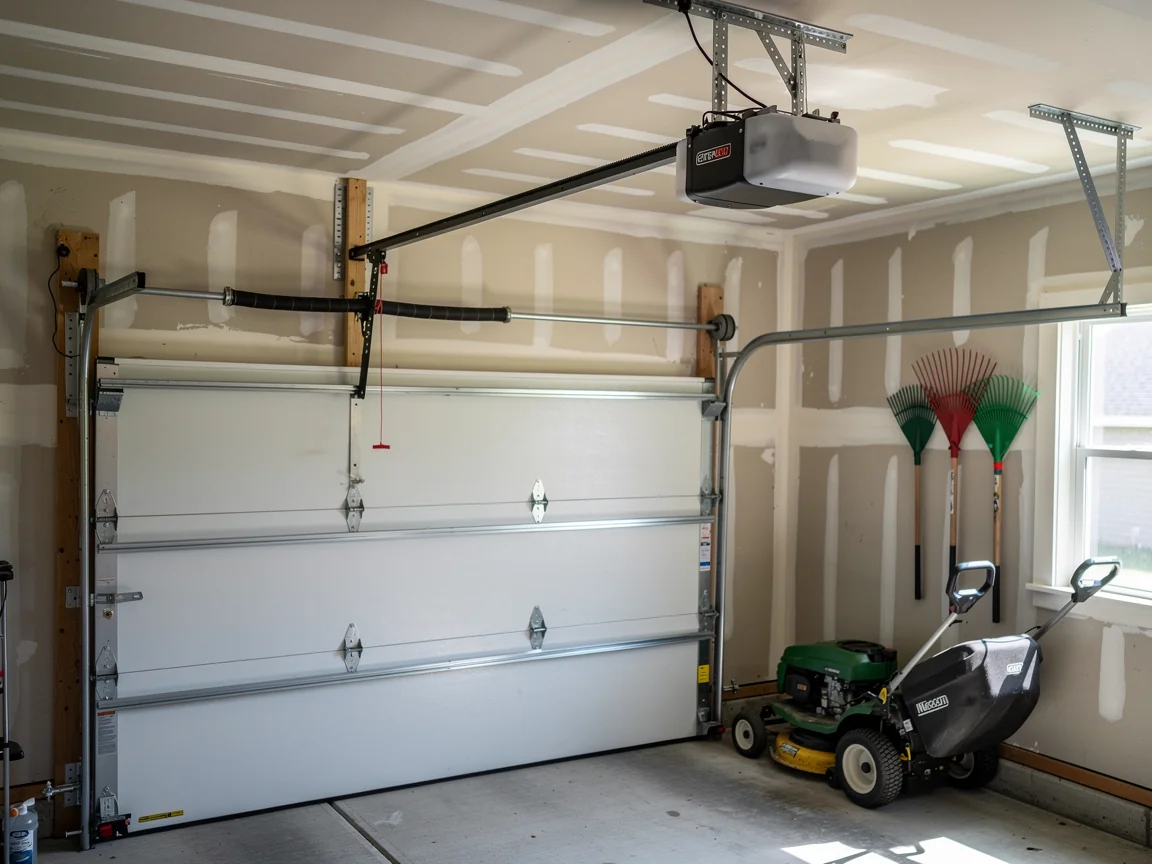
A door that lifts fine by hand but won't respond to the opener points to the unit itself - the logic board, the drive gear, the limit switches, or the safety sensors at the bottom of the tracks. Most of the calls we get for "the door won't open" turn out to be opener calls once we're standing in front of it.
Build-era opener patterns
Across our service area - Richland out to West Richland, South Richland, West Pasco, Benton City, Finley, and Burbank - we see a specific pattern tied to when these houses were built and what's been bolted to the ceiling since. The fix is usually straightforward once you know which part failed, but guessing from the symptom alone gets it wrong about as often as it gets it right.
Can You Do This Yourself
Some of this is fair game for a homeowner with a ladder and a multimeter. Replacing dead remote batteries, cleaning the photo-eye sensors with a dry cloth, checking that the safety sensors are aimed at each other and not knocked sideways by a stored bike or a snow shovel - that's all reasonable, and it fixes a real share of "opener won't work" calls for free.
Motor head is pro work
Where it stops being a DIY job is the drive mechanism itself. Opening the motor head to look at a stripped drive gear or a failing capacitor means working with a unit still wired to a dedicated circuit, often while the door is under spring tension nearby.
Matching logic board replacements
If the logic board has failed, there's no amount of tightening or cleaning that brings it back - it needs a compatible replacement board or a new head unit, and matching one to a unit installed in the late 1980s or 1990s isn't always a parts-counter purchase.
Obsolete board availability
Our honest limitation here: we don't carry every obsolete board for every opener brand sold in this area 20-30 years ago. On some of the older units, the realistic call is replacement, not repair, because the part simply isn't made anymore.
Why This Fails Locally
Most of the housing stock across this service area went up between 1981 and 2000, with a median build year around 1989 - that pattern holds across the five main areas we work in, not just one neighborhood. That means a huge share of the openers in these garages are original to the house or are the first replacement unit installed sometime in the 1990s or early 2000s. Chain-drive motors from that era used gear sets and circuit boards that were solid for their time but were never built for a 30-plus year service life.
The climate adds to it. This area sits in a cold-moderate band, and an unheated attached or detached garage swings through real temperature extremes across the year. Circuit boards and capacitors degrade faster under repeated cold-to-warm cycling than they would in a climate-controlled space, and the plastic drive gears inside older gear-drive units get brittle in cold and strip under load. A board that's marginal in July often fails outright on the first cold morning in the fall.
Put those two things together - a housing stock that's now old enough that original openers are past their design life, and a climate that accelerates the wear on exactly the components most likely to fail - and you get a predictable wave of opener calls each year rather than random breakdowns.
What Can Go Wrong
Ignoring opener symptoms doesn't make them go away - it usually makes the eventual repair bigger. A door that reverses partway is often a limit switch or a safety sensor misread, but if you keep forcing it through the cycle, you can bend a track or rack up wear on the top section that then needs its own repair.
Humming motor overheating
A motor that hums without moving the door is frequently a stripped drive gear, and running it repeatedly in that state heats the motor windings and shortens what life the unit has left. There's also a safety angle that's easy to underweight.
Safety reversal failures
The photo-eye sensors and auto-reverse function exist because a garage door closing on a person or pet is a real risk, not a theoretical one. An opener that's failing intermittently sometimes still closes the door even when the safety system isn't working correctly - which is worse than an opener that simply refuses to run at all.
Repair versus head replacement
For a household budget, the math is usually simple: diagnosing and repairing a board or gear issue costs less than letting it progress to a full head-unit replacement, and a lot less than a stripped drive gear that eventually jams the door half-open and strands a car inside or outside the garage.
Questions
Common questions
Why did my garage door opener stop working with no warning?
Most no-warning failures are either a stripped internal drive gear or a failed logic board - both are common on openers installed when these houses were built, from the 1980s through the early 2000s. Cold garages accelerate wear on both parts, so failures cluster in colder months even though the part had been degrading for years.
Can I just replace the remote instead of the whole opener?
Sometimes. If the wall button and remote both fail to trigger the motor, the receiver or logic board is usually the problem, not the remote itself. Swapping remotes won't fix a bad board. We check the motor head's response to the wall button first - that tells us whether it's a remote issue or something deeper.
Is it worth repairing an opener from the 1990s?
Depends what's broken. A sensor or wiring fix is worth doing on almost any unit. A failed logic board on an opener that old is often not repairable because parts aren't made anymore, and at that point a new opener usually costs about the same as sourcing an obsolete board, with a longer service life ahead of it.
Explore more
Explore More Services In Richland, WA
Garage Door Repair for Richland's 1980s and '90s Housing Stock
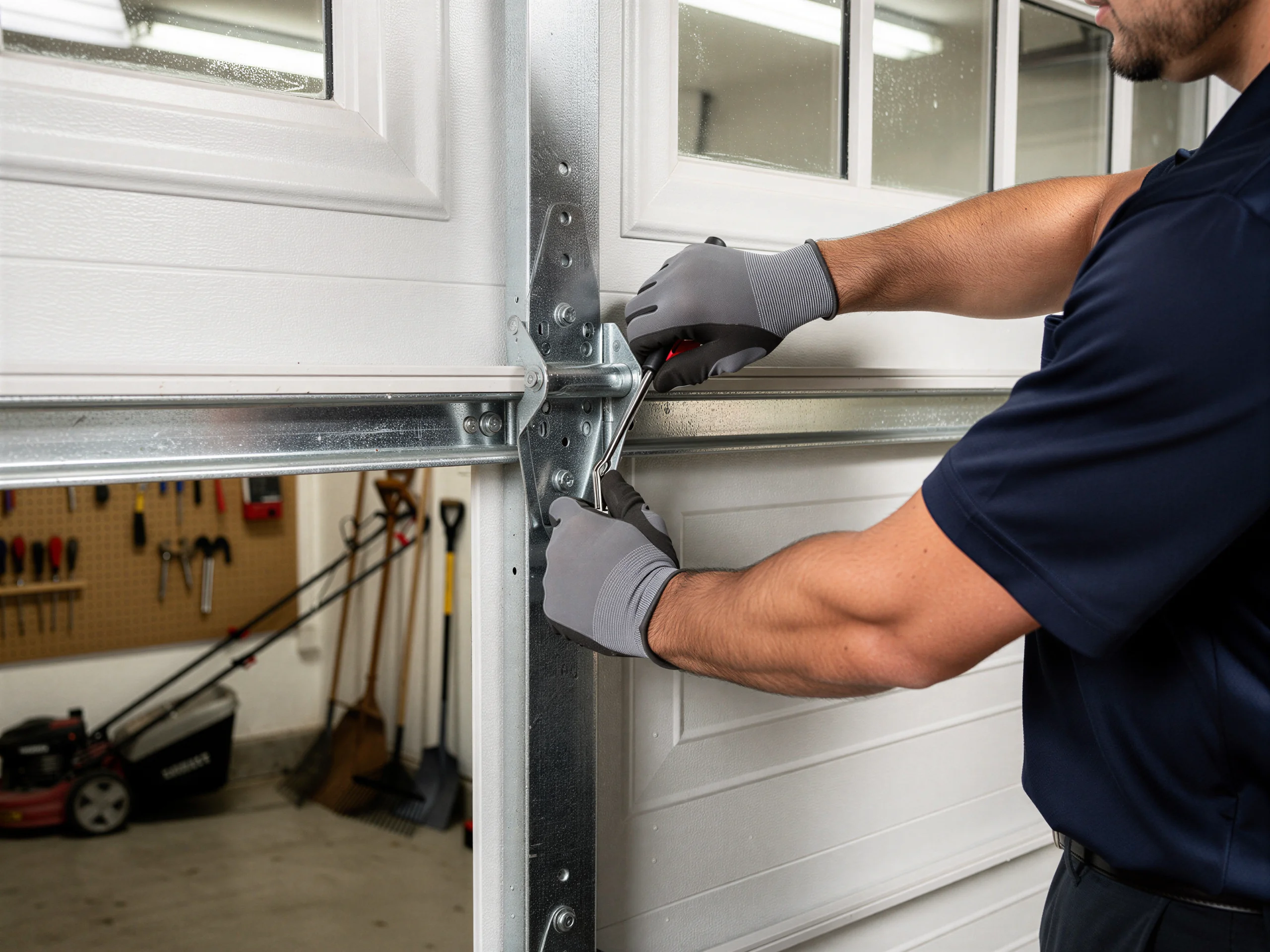
Garage door repair for Richland homes built mostly 1981-2000, where original torsion springs and worn rollers are now reaching the end of their rated cycles. Learn more →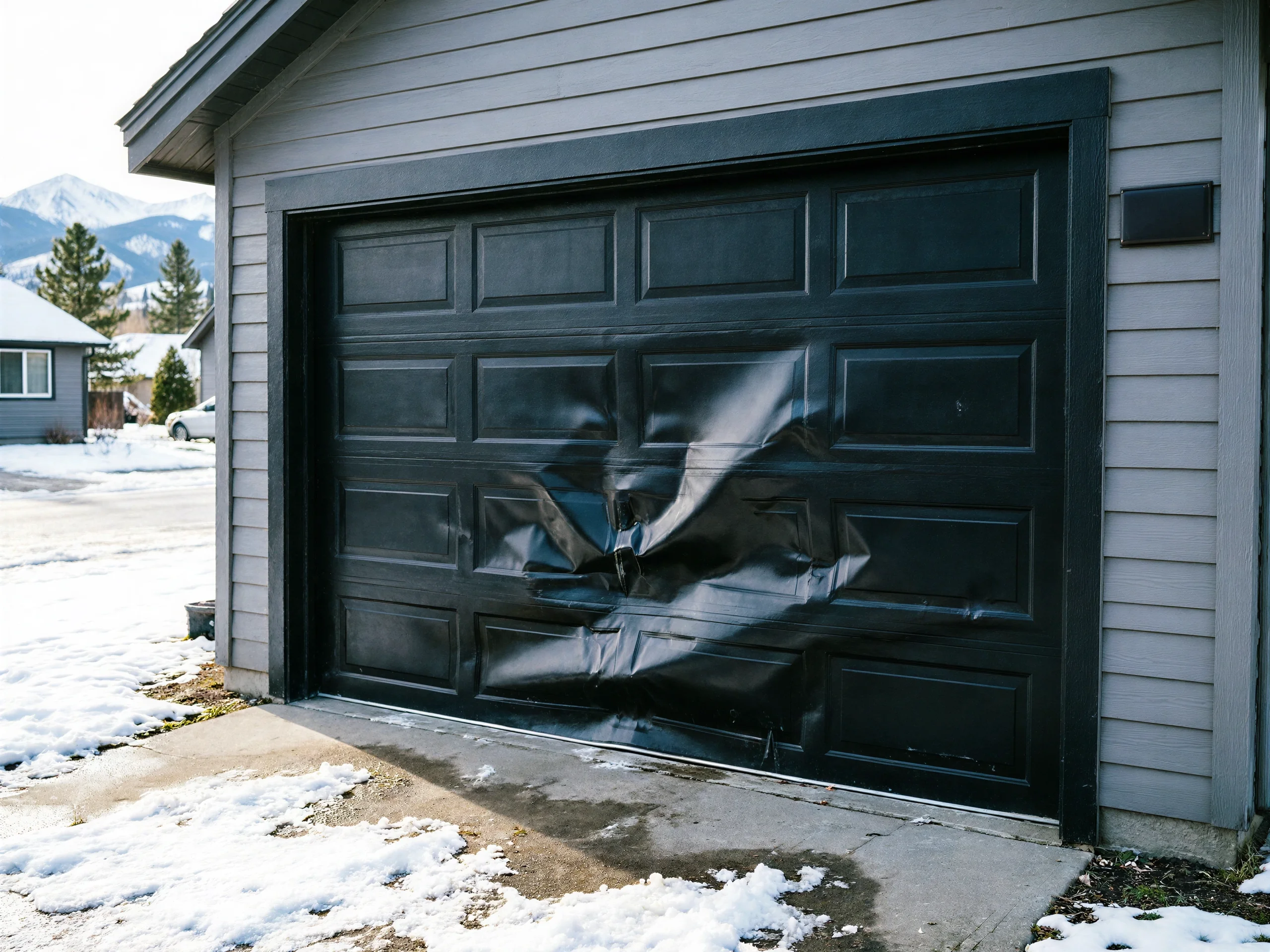
Garage Door Panel Replacement in Richland, WA
Dented or rotted garage door panels show up often on Richland's 1980s and 90s homes. Learn more →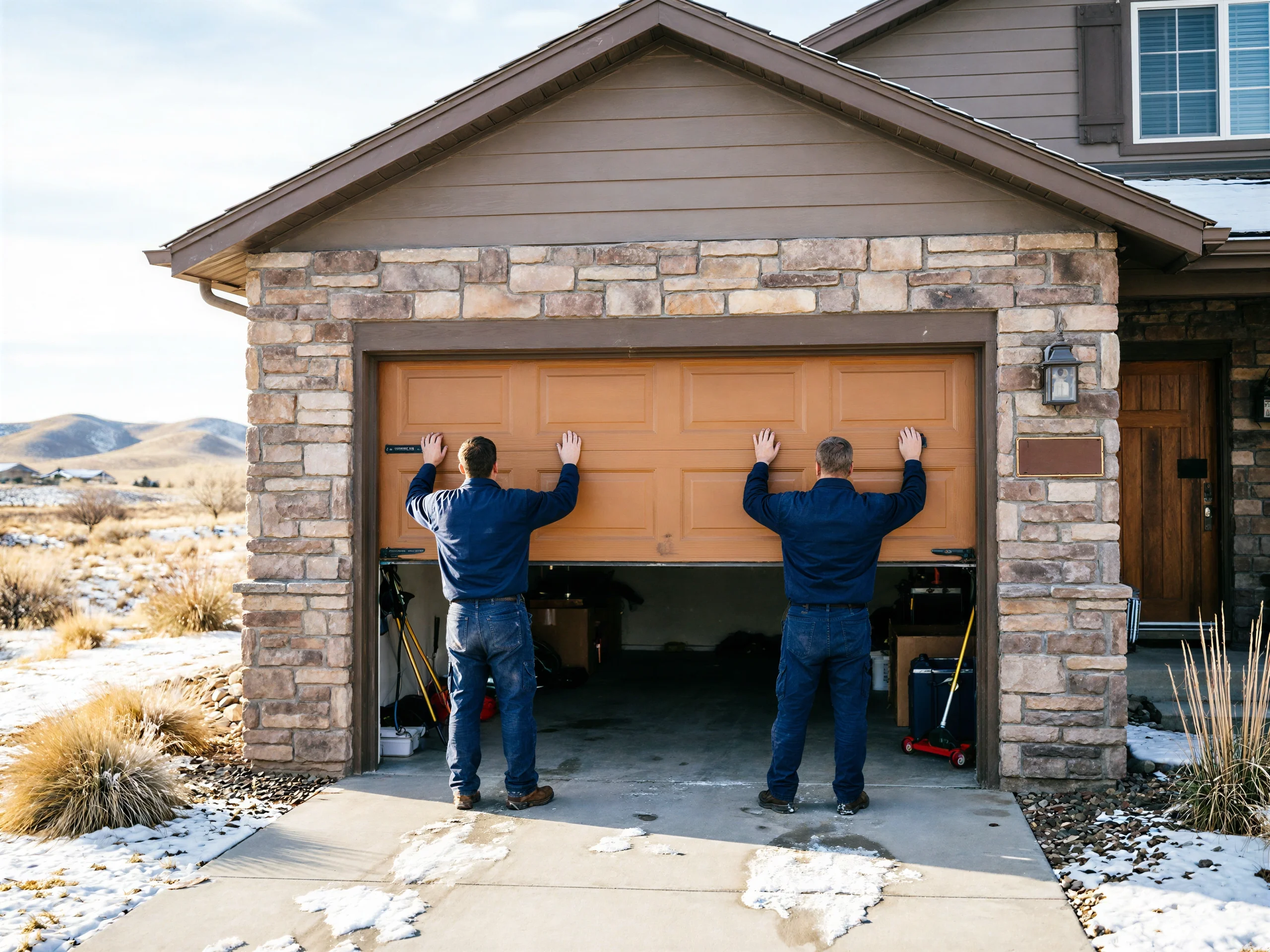
New Garage Door Installation for Richland Homes
Richland homes built between 1981 and 2000 are hitting the point where original doors and hardware wear out. Learn more →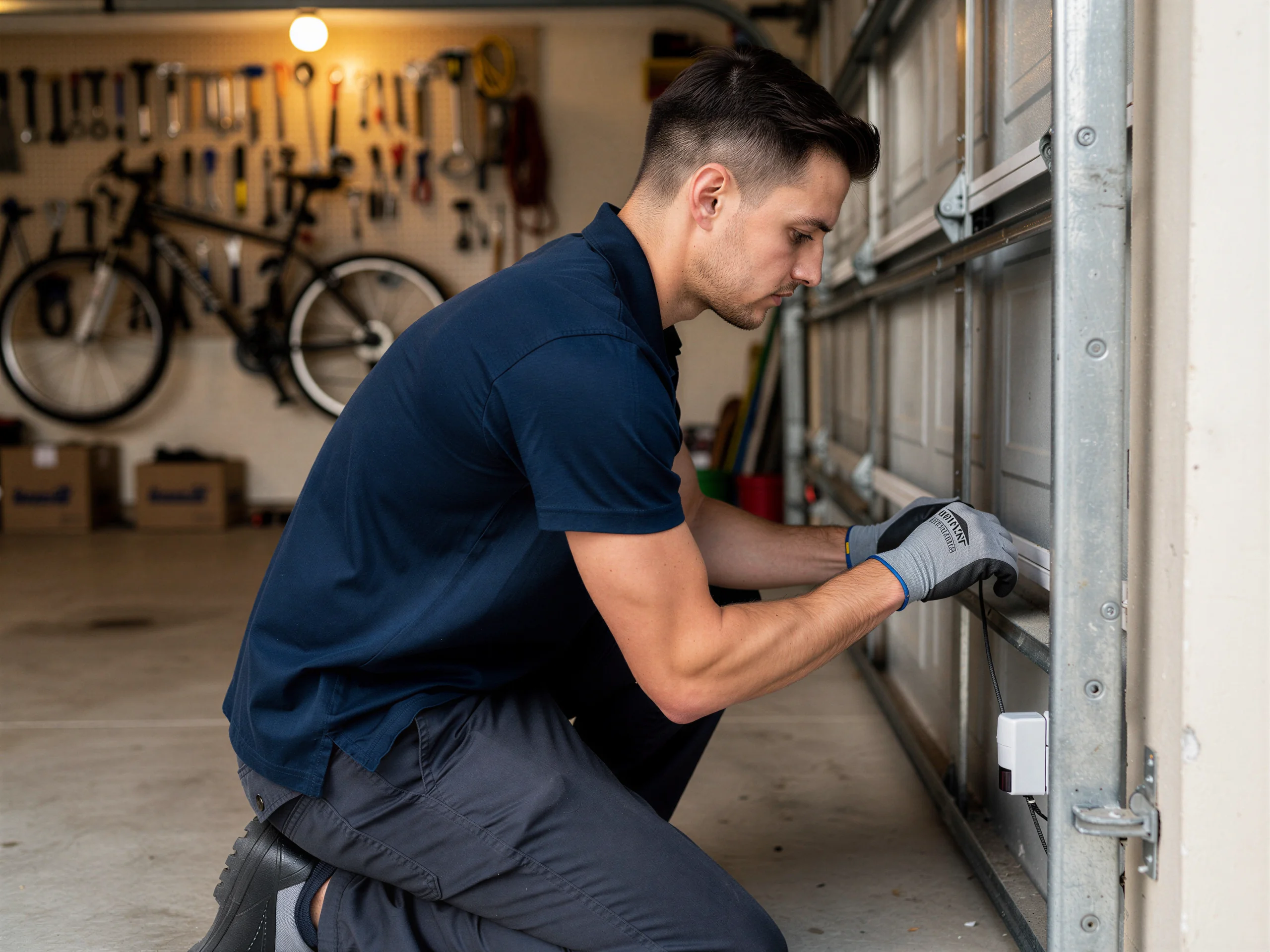
Garage Door Service for Richland's 1980s and 90s Homes
Richland homes built between 1981 and 2000 are hitting the age where original springs and openers fail. Learn more →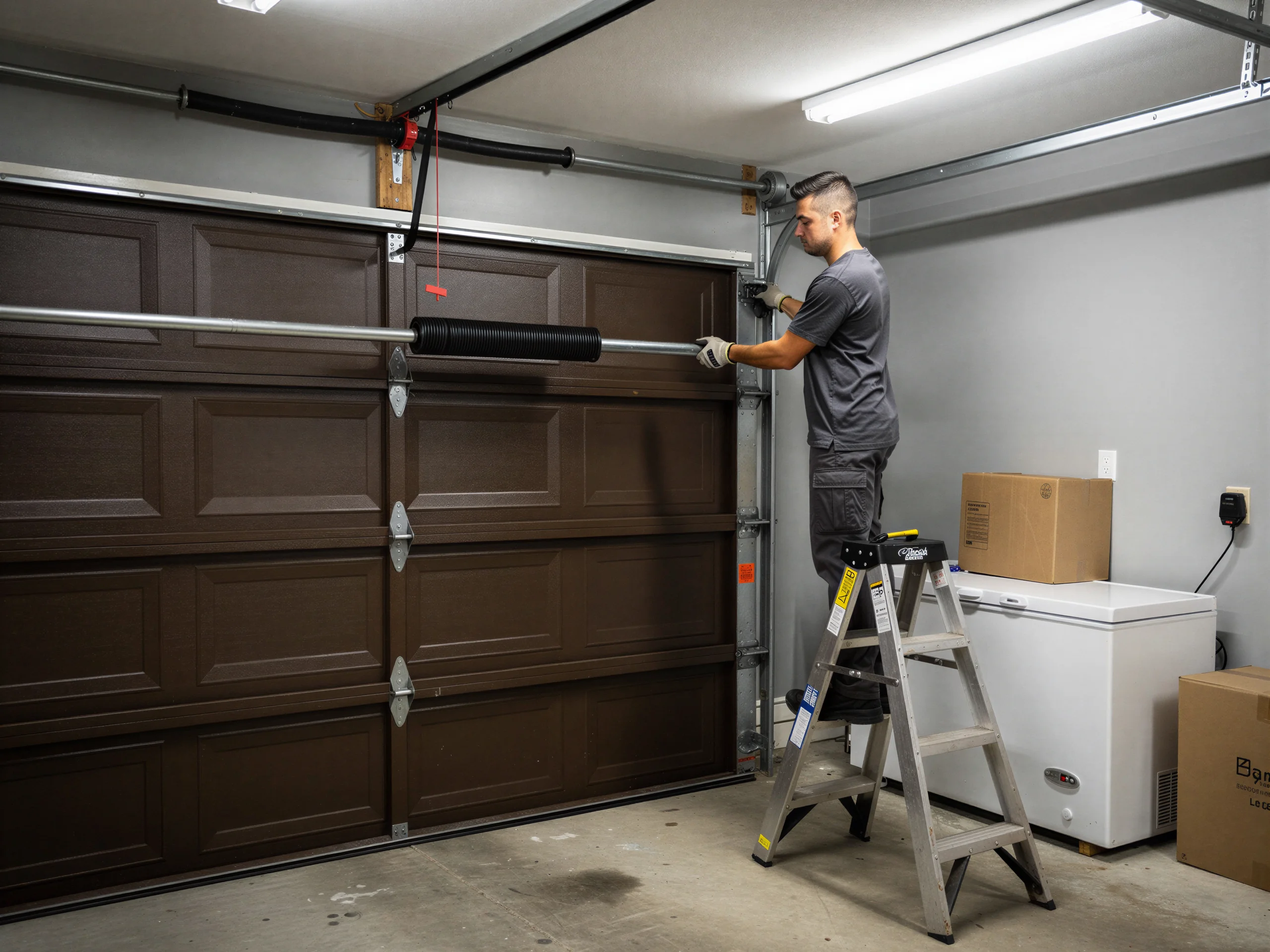
Garage Door Spring Repair for Richland Homes
Torsion springs in Richland homes built in the 1980s and 90s are aging out fast in our cold winters. Learn more →
Garage Door Maintenance, Richland WA
Garage door maintenance for Richland homes built mostly between 1981 and 2000, where original hardware is now 25-40 years old and overdue for a real inspection. Learn more →Ready when you are
Need a garage door sorted in Richland?
Richland Garage Door Pros repairs and installs garage doors, springs and openers in Richland, WA and the surrounding area.