
Blog
Why Richland's 1980s and 90s Homes Need a Different Approach to Garage Door Repair
Richland's housing stock dates mostly to 1981-2000, and cold snaps here stiffen old torsion springs fast. Here's what that combination actually means for your door.
How Local Conditions Play In
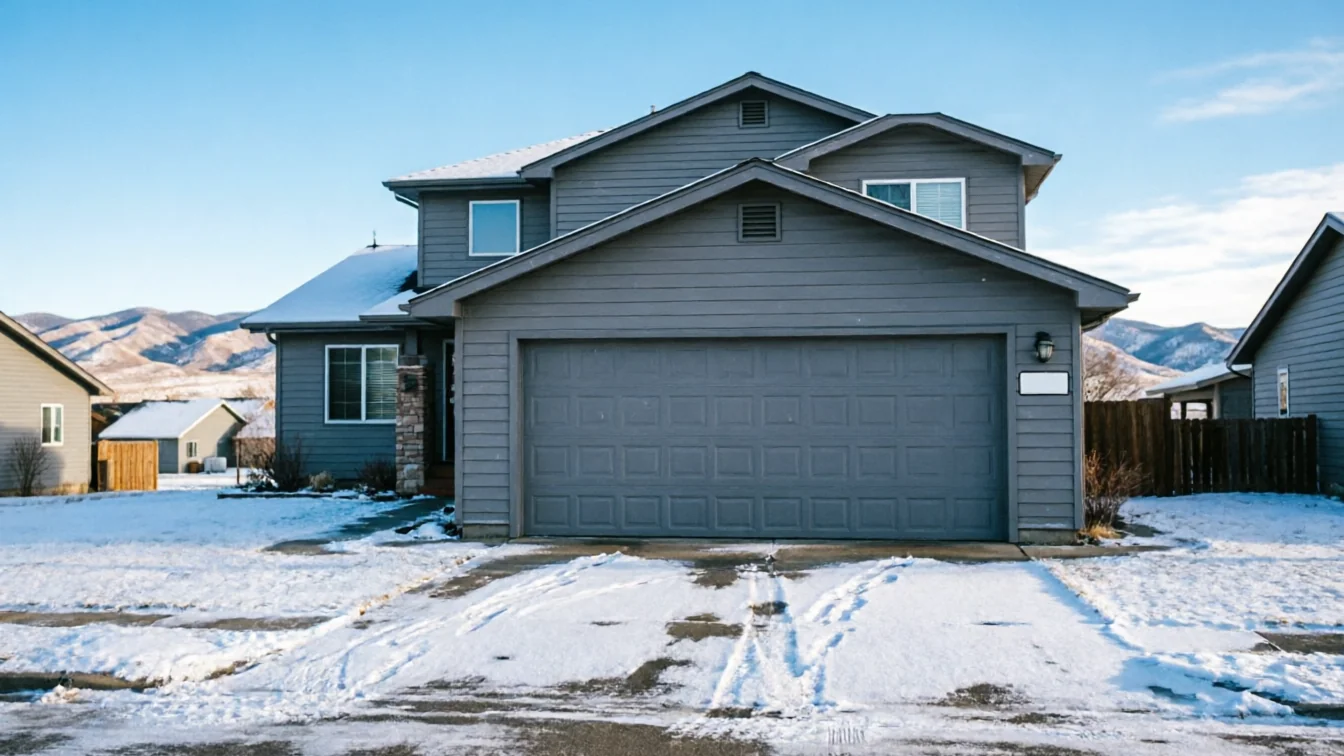
Richland sits in a cold moderate climate band, and that matters more for garage doors than people think. Spring steel doesn't fail because it's cold outside on any given day - it fails because decades of repeated cold-to-warm cycling make the metal more brittle each winter, and this area gets that cycling every year. Most of the housing stock here, and across West Richland, South Richland, West Pasco, Benton City, Finley, and Burbank, went up between 1981 and 2000, with a median build year of 1989. That means a lot of the torsion springs and openers in this service area are the original hardware, now thirty-plus years into a job they were rated for maybe seven to twelve years. Cold doesn't create the wear. Cold is what finally makes a spring that's been degrading quietly for three decades let go. We see this pattern show up consistently across the five areas we cover, because the construction era lines up almost block by block. A door that's been fine every fall for years can snap a cable or drop a spring the first hard cold week, simply because that's when the stiffened, fatigued steel finally gives.
The Problem
The specific problem in a neighborhood built mostly in the 1980s and 90s is that the hardware matches the house, not the current code or current spring design. Original torsion springs from that era were often sized to older door weight standards, and after thirty-plus years of cycling they're carrying a safety margin that's thinner than the homeowner realizes. Add a cold snap and the steel loses flexibility right when the door is being asked to lift a panel that's gotten slightly heavier from age, warping, or a water-logged bottom seal. The failure isn't dramatic until it is - a slow loss of lift, a door that slams the last six inches, then a spring that lets go entirely, usually on a cold morning when someone's in a hurry. Because 6,445 of the 10,396 households in this area are owner-occupied houses of roughly the same vintage, this isn't a one-off. It's the same spring, same bracket, same cold-weather failure point, repeating house after house across neighborhoods that were all framed within a few years of each other.
What Most People Get Wrong
The most common mistake is treating a stiff, noisy door in cold weather as a lubrication problem and stopping there. Spraying the track or hitting the spring with oil can quiet things down for a week, but it doesn't address thirty-plus-year-old steel that's fatigued from cycling, which is what's actually happening in most of the houses built here between 1981 and 2000. The second mistake is assuming an opener that struggles in the cold needs a new motor. Often the motor's fine - it's straining because the spring isn't doing its share of the lift anymore, so the opener is compensating, which wears it out faster. We also see homeowners wait until a cable snaps or a spring breaks outright before calling, when the signs were there for months: a door that's slower to open on cold mornings, a louder bang when it closes, visible gap or stretch in the spring coil. On original-era hardware from this build period, those signs mean the spring is near the end, not that it needs oil.
The Cost of This Job
We don't have a flat number to quote here without seeing the door, and honestly that's the right way to think about it - a torsion spring swap on a standard double door is a different job than one where the opener, cables, and rollers are all original 1980s hardware wearing out at the same time, which is common in houses from this build era. With median household income in the area around $87,824, most of our customers are budgeting for a repair rather than a full replacement, and in most cases a repair is the right call: original torsion hardware can usually be replaced piece by piece rather than swapping the whole door. The honest limitation is that on doors from the oldest end of this build range, some original track and panel sizing doesn't match what's stocked today, so a repair can take an extra day if a part has to be ordered rather than pulled off the truck. We'll tell you that up front rather than after the job's started.
Questions
Common questions
Why does my garage door act up more in winter here than in summer?
Most houses in this area were built between 1981 and 2000, so a lot of the original torsion springs are over thirty years old. Cold weather stiffens that fatigued steel, which is usually when a slow-failing spring finally lets go. It's less about the cold itself and more about decades of wear catching up at the worst time.
Is my opener broken or is it the spring?
If the opener strains, grinds, or reverses on a cold morning but runs fine once the door's been open a while, the spring is usually the real problem. The motor is compensating for lift it isn't getting from a worn spring. We check the spring first before touching the opener.
Do you work outside Richland proper?
Yes, we cover Richland and the surrounding area, including West Richland, South Richland, West Pasco, Benton City, Finley, and Burbank. Housing stock across those areas is largely the same 1980s and 90s construction, so the repairs we see are consistent across all of them.
Recommendation
You Might Also Like
More garage door guides for Richland homeowners.
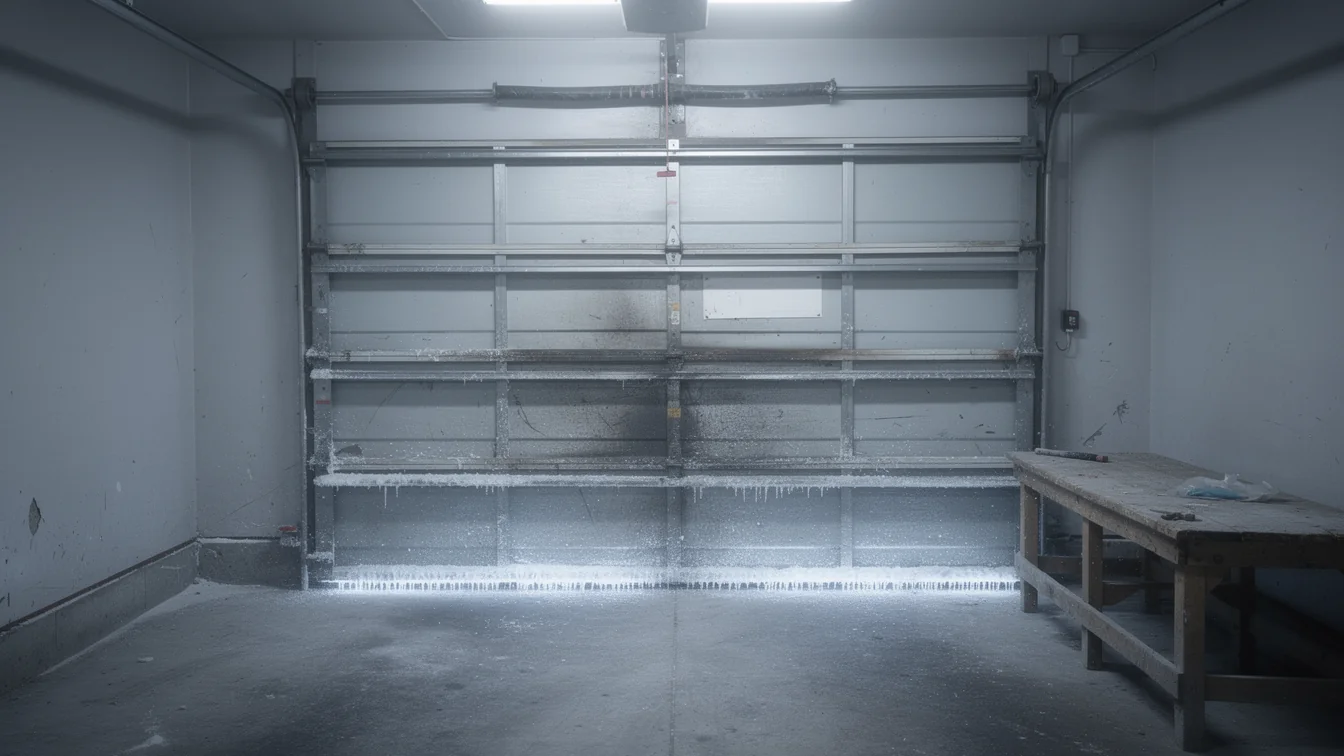
What 1980s and 90s Construction Means for Your Richland Garage Door
Richland homes built 1981-2000 often have garage doors with thin insulation, a real issue in our cold winters.
Read guide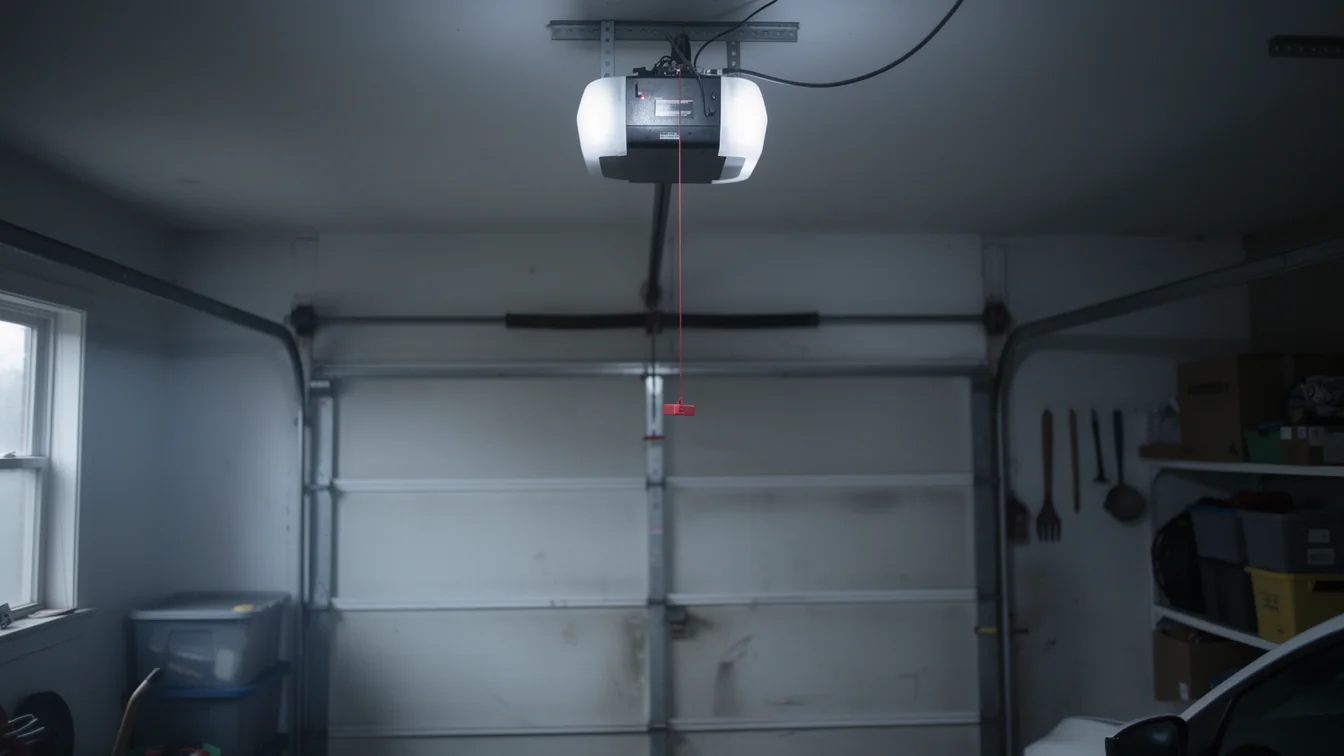
When the Power Goes Out on a Richland Garage Door
Richland homes built between 1981 and 2000 often have openers without battery backup.
Read guide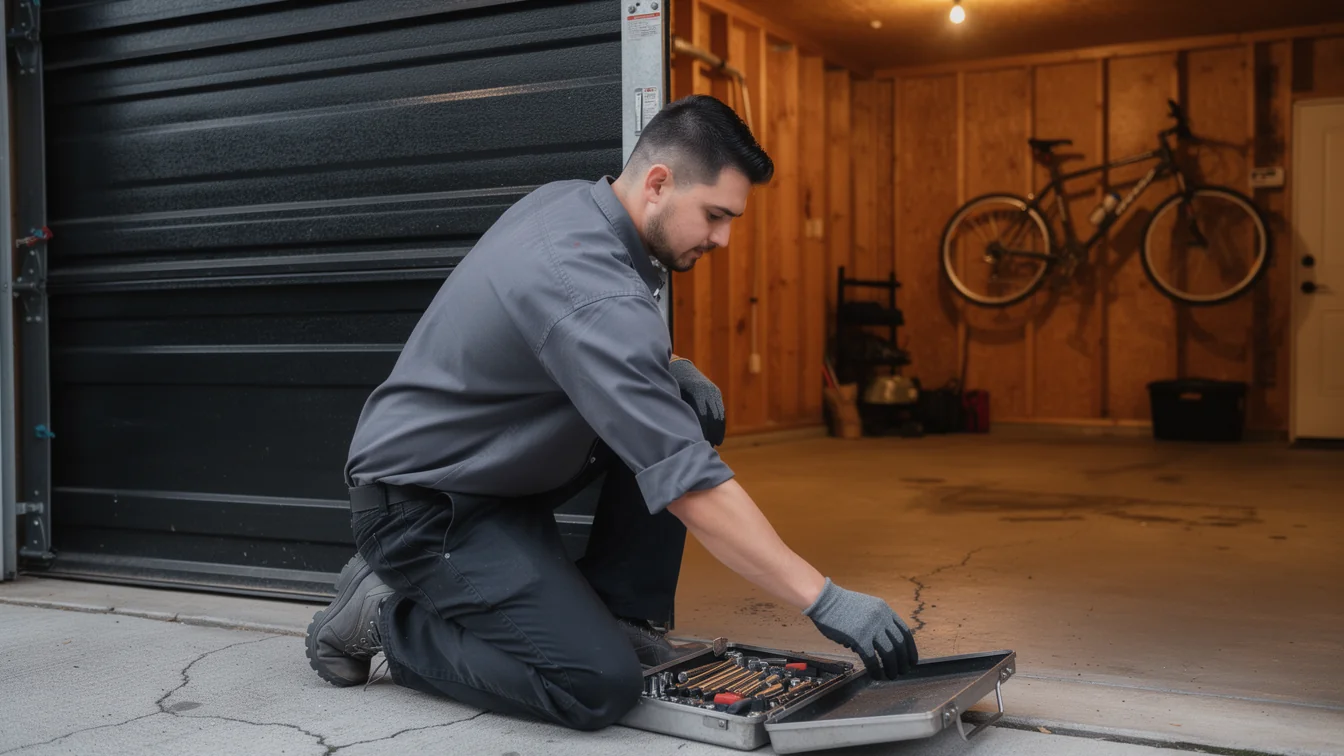
What a Service Call Actually Covers in Richland
In Richland, WA, where most houses date to the 1980s-90s, here's exactly what a garage door service call checks, tests, adjusts, and leaves working right.
Read guideReady when you are
Need a garage door sorted in Richland?
Richland Garage Door Pros repairs and installs garage doors, springs and openers in Richland, WA and the surrounding area.