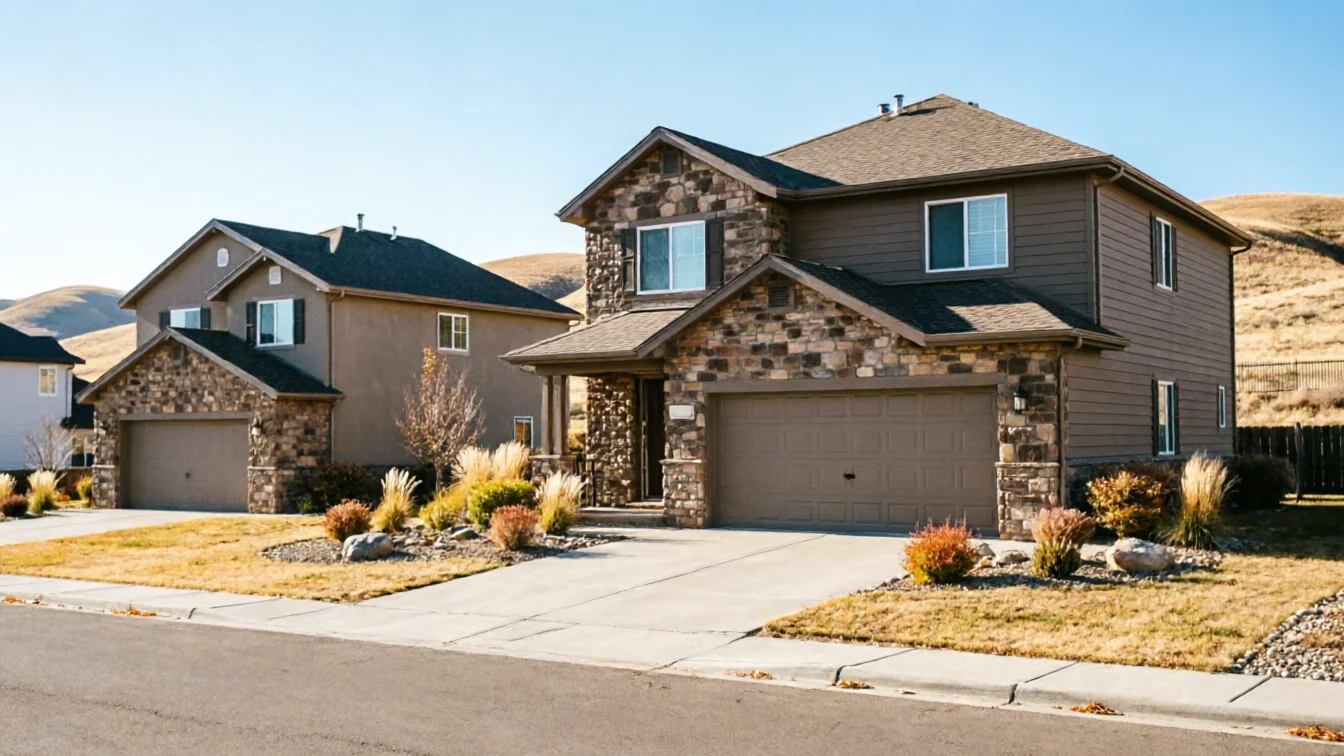
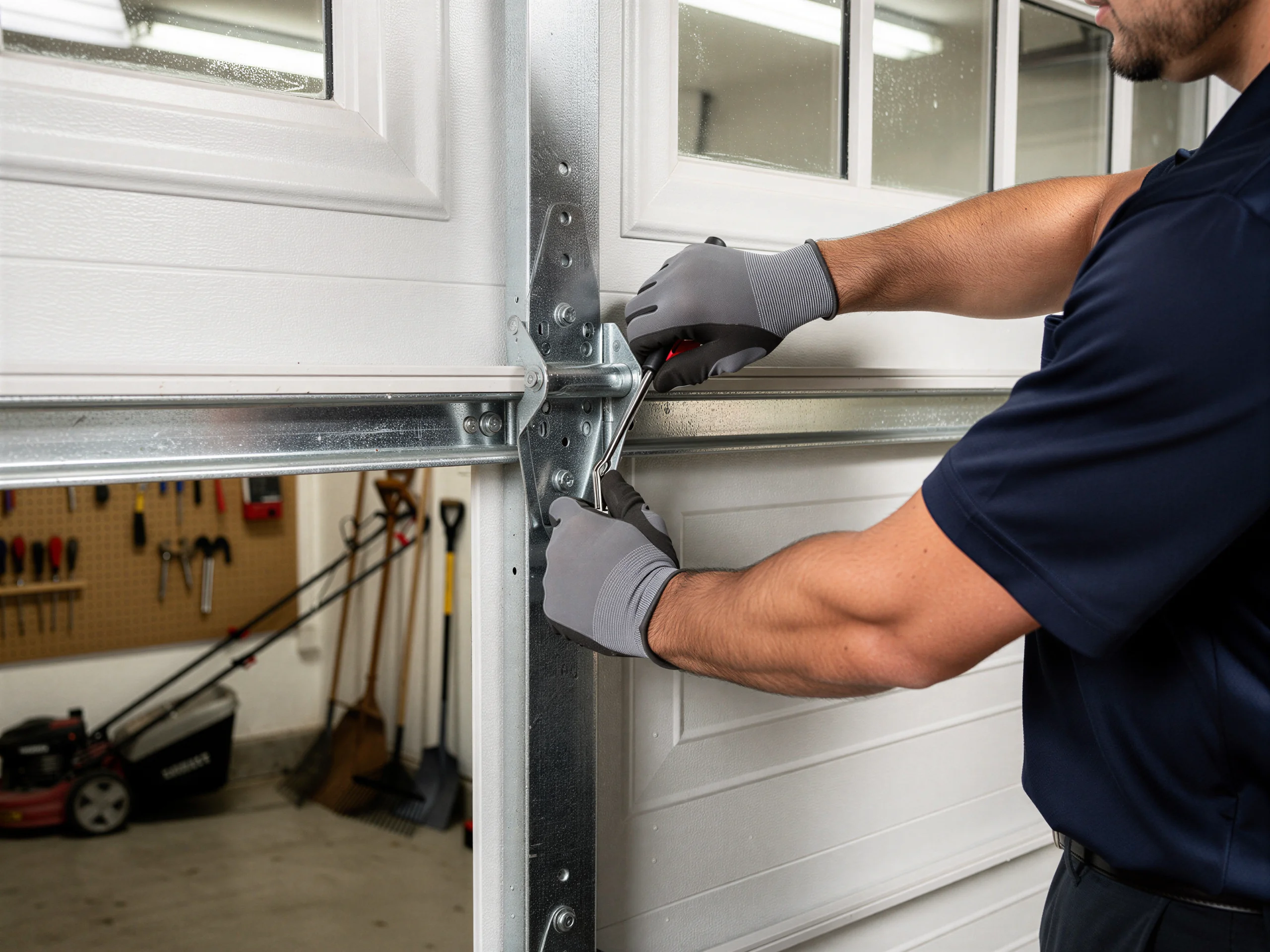
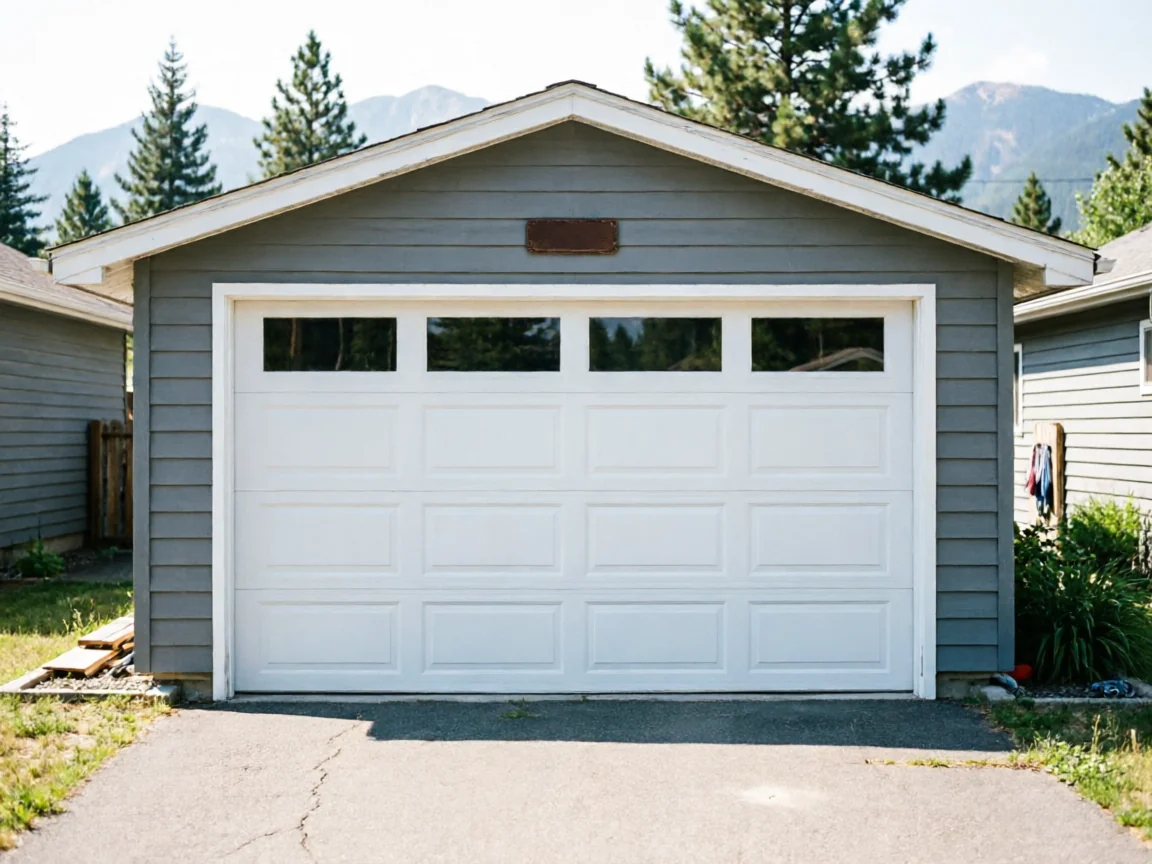
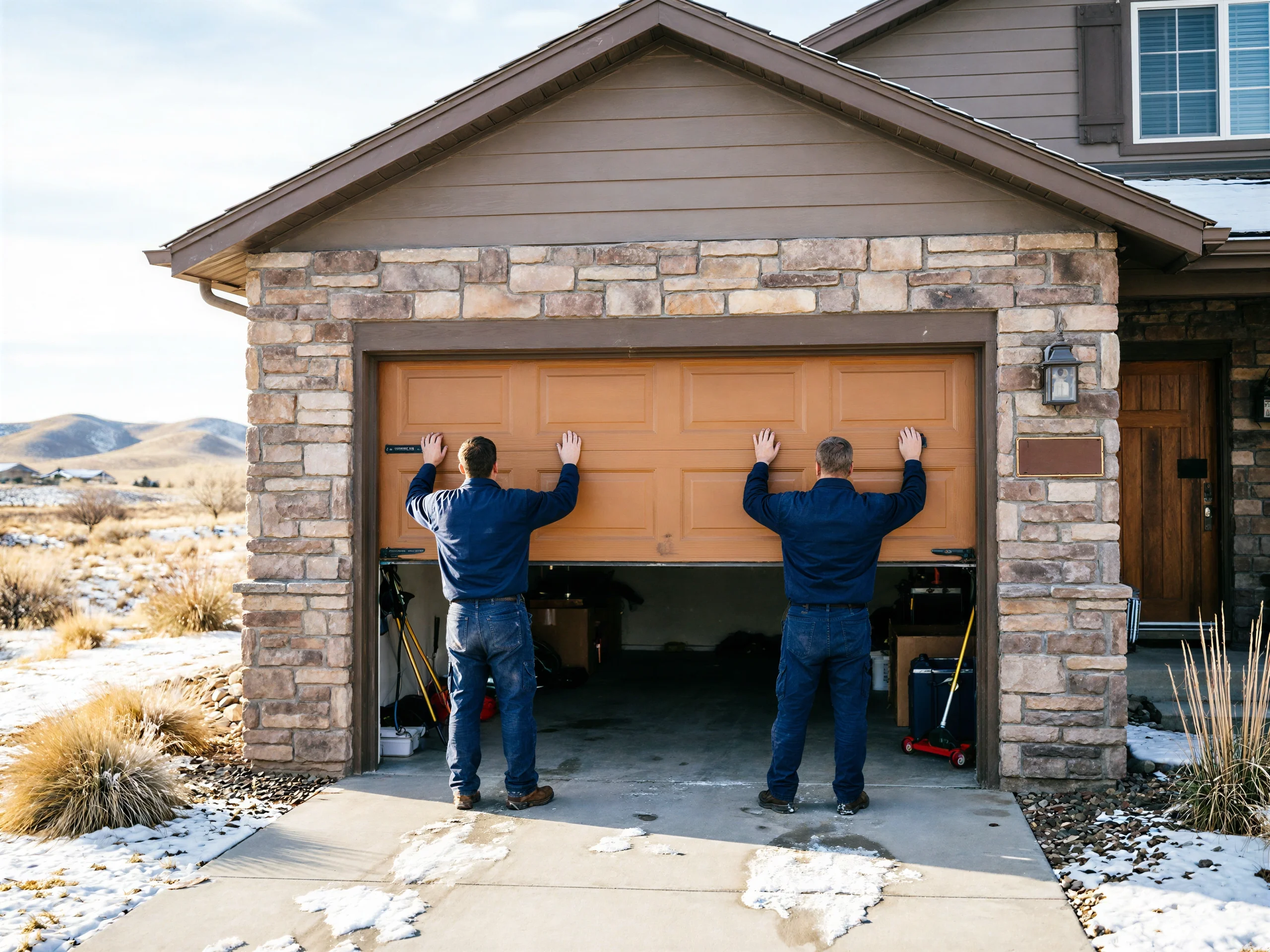
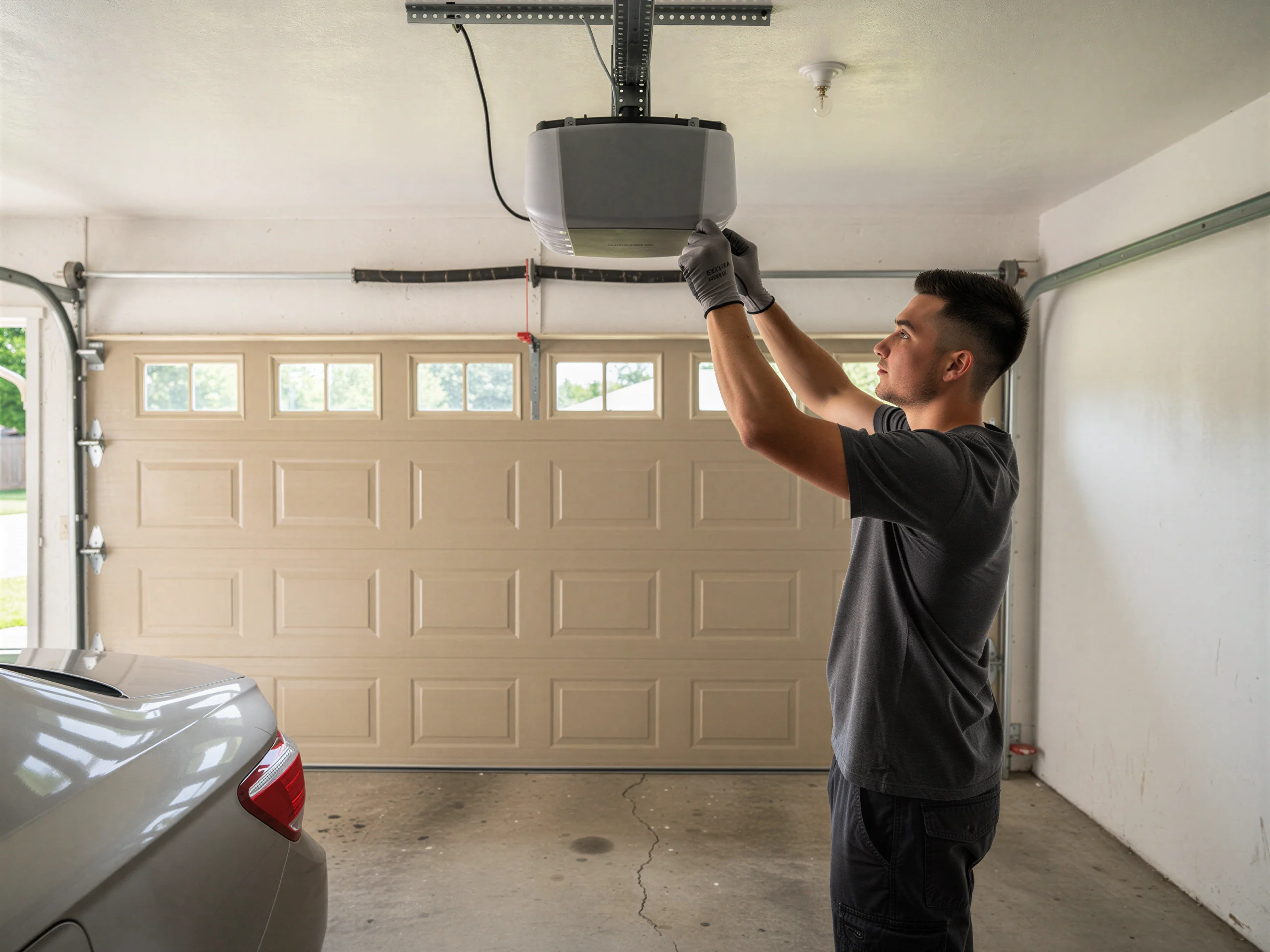
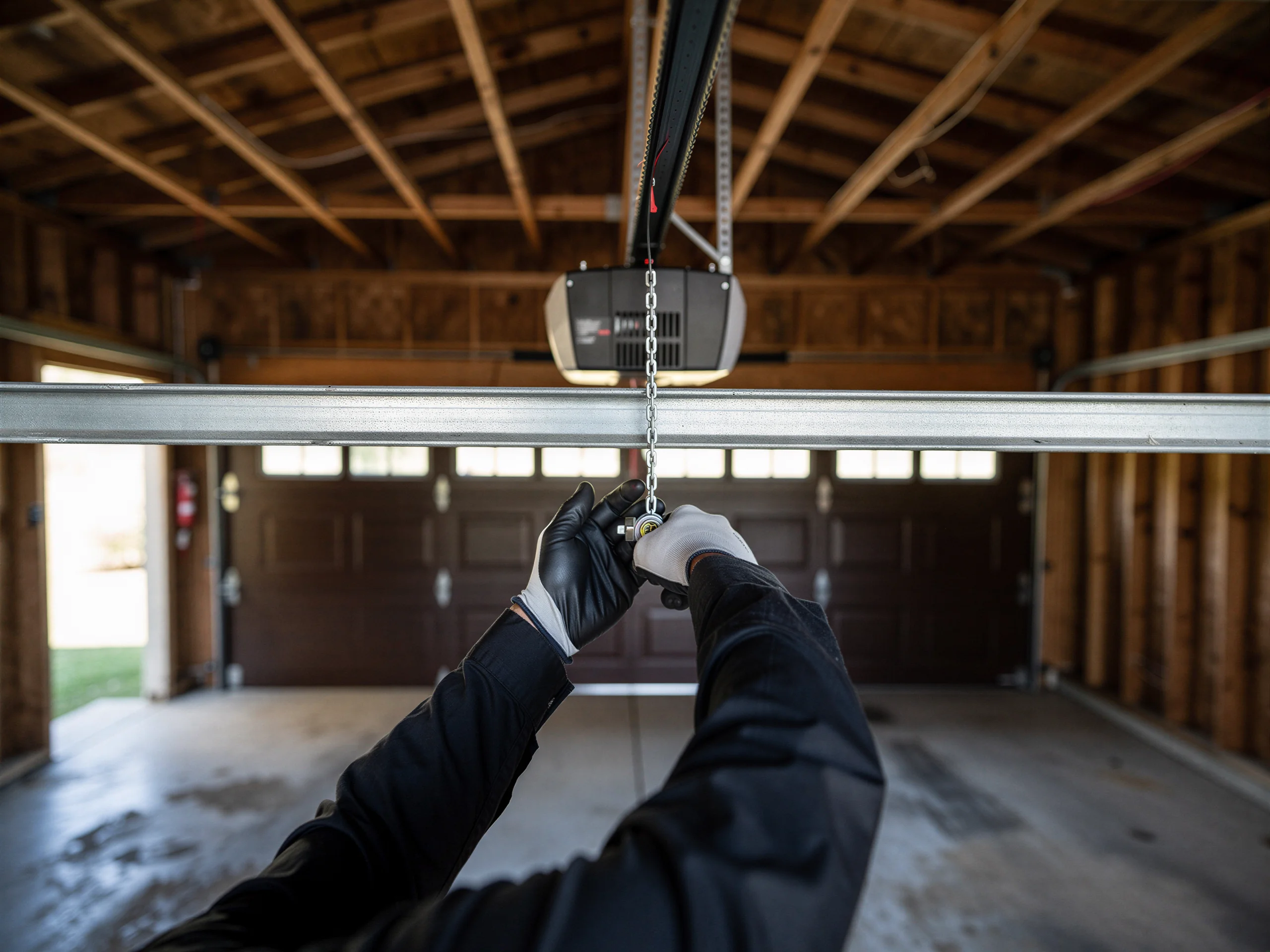
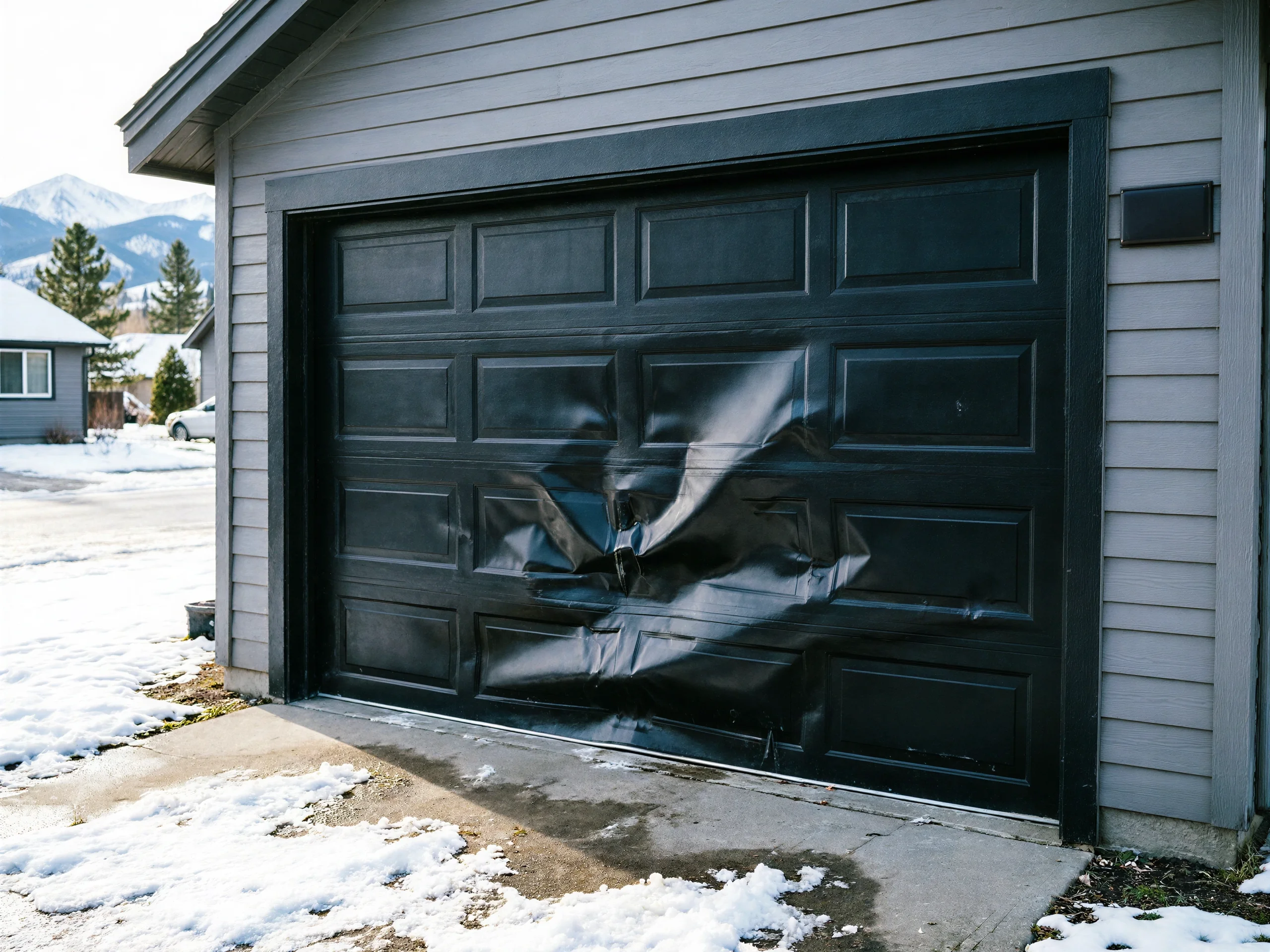
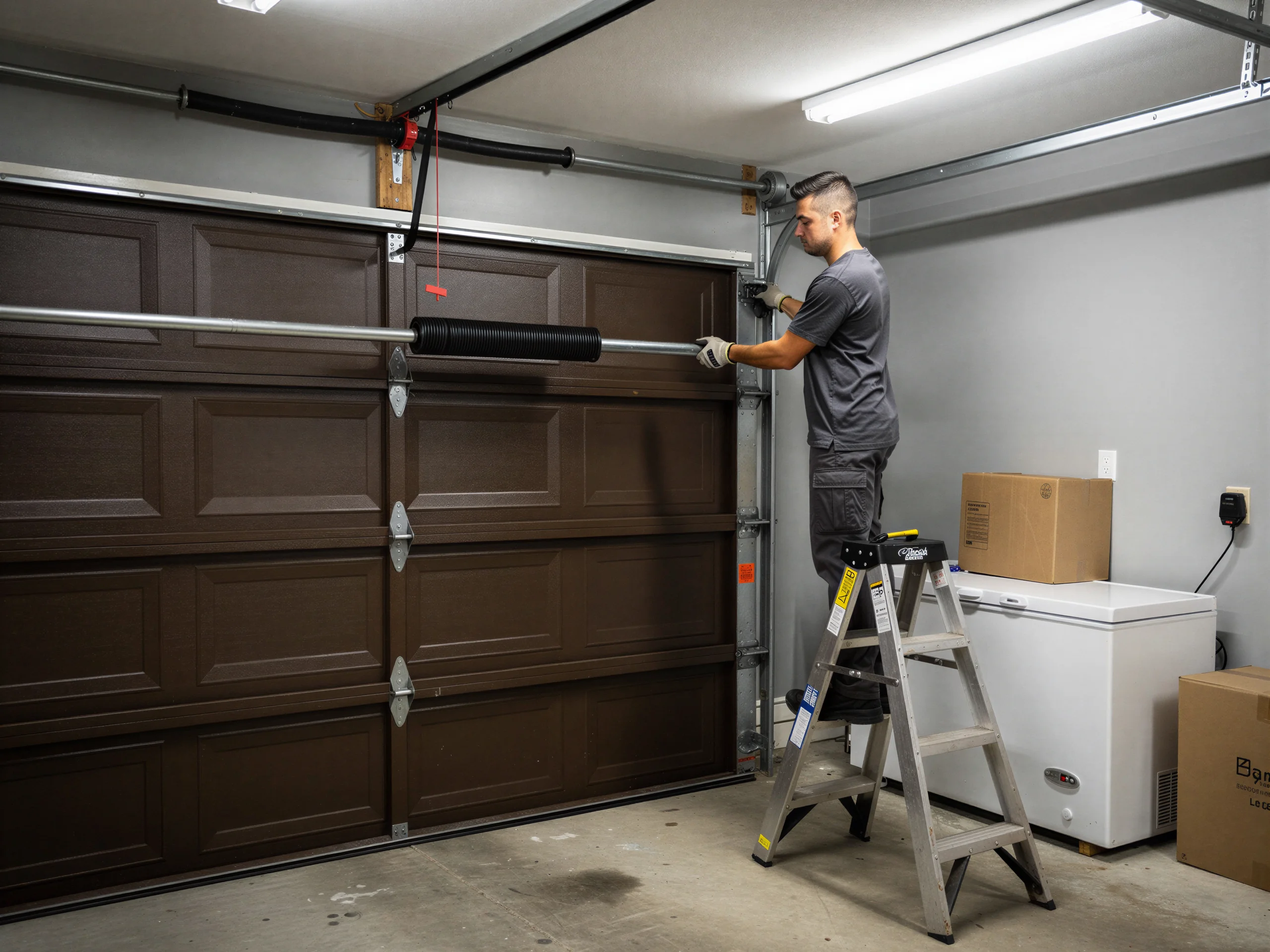
A door built around 1981 was engineered to a different standard than one built in 1999, even within the same broader service area. Track widths, drum sizes, and spring winding can all vary enough between eras that parts aren't a straight swap. The COLD moderate climate band this area sits in means steel sections see real seasonal flex - cold mornings stiffen grease and tighten tolerances, which is rougher on hardware that's already 40 years old than on something installed in the last decade. With median household income here at $86,221, most of the calls we get are repair-first, not rip-and-replace, and that's usually the right call on a door that's structurally sound even if the moving parts are tired. Where we draw the line is panels with real rust-through or rot - at that point patching costs more over time than replacing, and we'll say so rather than sell a repair that won't hold.