Richland, WA
Garage Door Opener Installation in Richland, WA
Opener installation for Richland-area homes built mostly between 1981 and 2000, where original chain-drive units and cold-season wiring issues are common garage door complaints.
The Symptom
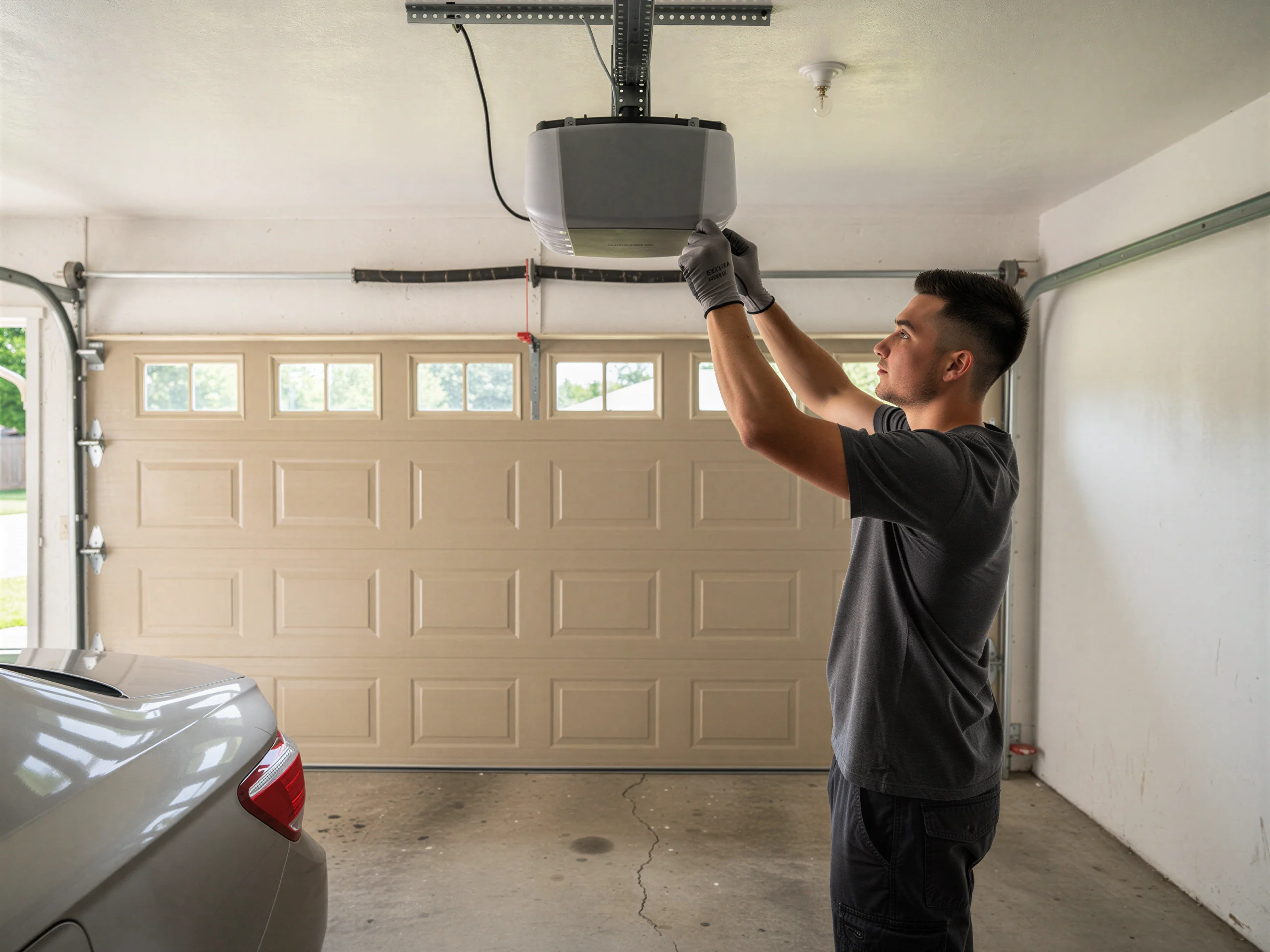
The call usually starts the same way: the remote clicks and nothing happens, or the opener hums but the door doesn't move, or it opens fine and then reverses itself halfway down for no clear reason.
Grinding from motor housing
Sometimes it's a grinding sound from the motor housing that wasn't there last month. None of these are mysterious once you know what's inside the box. A lot of the openers we're replacing in this area are original equipment. Housing across the service area is mostly 1981-2000 stock, with the five main residential pockets we work in built heavily through the 1980s and 90s.
Capacitors and gear wear
That means a sizable share of garages still run the chain-drive opener that came with the house - a unit now pushing three and sometimes four decades of duty cycles. Gears wear, capacitors weaken, and the logic board that used to reverse the door reliably starts missing its own signal.
Service area distances
The service area runs from West Richland (5 miles) and South Richland (3 miles south) out to West Pasco (6 miles), Benton City (9 miles), Finley (14 miles), and Burbank (16 miles). The symptom doesn't change much house to house - what changes is how old the opener behind the wall switch actually is.
Can You Do This Yourself
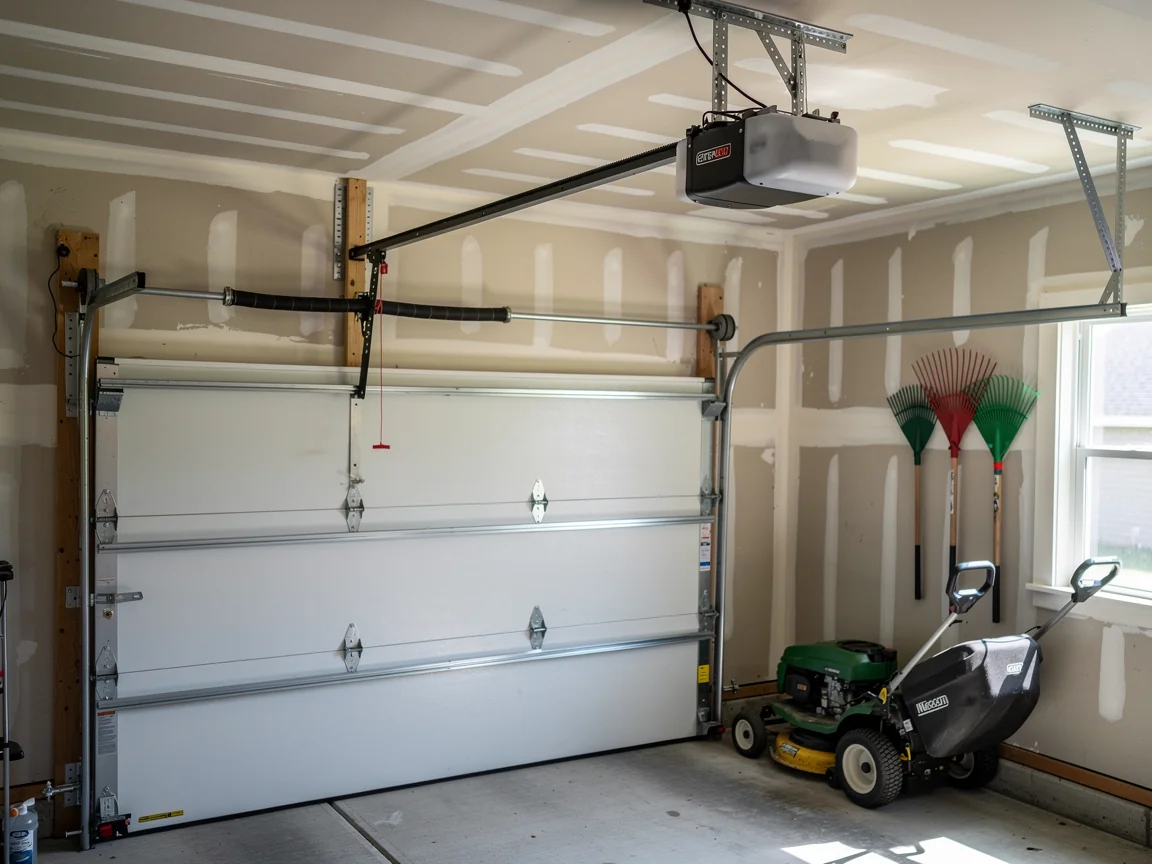
A new opener kit from a hardware store comes with decent instructions, and if you're comfortable on a ladder and patient with wiring, a straightforward swap on a door that's otherwise in good shape is within reach for a lot of homeowners.
Matching unit to hardware
The part that trips people up isn't the mounting - it's matching the new unit to the hardware already on the door. Houses from the 1981-2000 era often still carry the original track and spring setup, and that hardware wasn't engineered with today's belt-drive units or safety-reversal sensors in mind.
Worn track masks problems
Bolt a modern opener onto a worn track or a spring that's past its rated cycles, and the opener will fight the door every time it runs, which shortens the opener's life fast and can mask a bigger problem.
Opener workaround that fails
We'll say plainly: if your track is bent, your spring is near the end of its life, or the door itself is sagging, installing a new opener on top of that isn't a repair - it's a workaround that fails again within a year. That's the one limitation worth knowing before you buy a kit: the opener is only as good as what it's bolted to.
Why This Fails Locally
This isn't a generic wear-and-tear story - it's tied to what's actually sitting in garages around here. With most of the housing stock dating to 1989 give or take a decade, a huge share of openers in service right now are original 1980s and 90s units nearing or past their expected service life all at the same time, rather than failing in a scattered, random pattern.
Add the climate band this area sits in - cold, moderate winters - and the failure timeline compresses further. Cold stiffens the grease packed into an aging chain-drive gearbox, which makes the motor work harder to pull the chain through its travel. Circuit boards in older opener units, especially the cheaper boxes shipped with 1980s and 90s tract construction, were never built with today's level of moisture sealing, and a cold snap followed by a thaw is exactly the cycle that corrodes contacts and skips logic signals.
So the pattern we see across the service area is consistent: a wave of originally-installed openers from the same construction era, aging out together, in a climate that accelerates exactly the failure points those older units were weakest on.
What Can Go Wrong
The biggest mistake is installing an opener sized for the wrong door. A heavier insulated door needs more lifting force than the half-horsepower unit that came standard on a lot of 1980s and 90s builds, and an undersized opener will strain, overheat, and trip its own thermal cutoff repeatedly until it dies early.
Reversal sensor alignment
Safety reversal sensors are the next trouble spot. These low mounted photo-eyes have to be aligned within a fraction of an inch of each other, and on older garages where the wiring run was added after the fact, a loose or misrouted sensor wire is a common reason a new opener won't complete its safety test - or worse, passes a weak test and doesn't reverse reliably when something's in the door's path.
Shared circuit electrical issues
Electrical mismatches matter too. Garages built in this era sometimes have a single outlet on a shared circuit, and a new opener's control board can behave erratically on a circuit that's also running a freezer or shop tools.
Off-square operation wear
And if the existing track has any twist in it from age, a new opener will run the door off-square, wearing rollers and hinges faster than it should. None of this is dramatic, but it's exactly the kind of thing that turns a one-afternoon install into a callback.
Questions
Common questions
Can I put a new garage door opener on an old track and springs?
You can, but it's usually a short-term fix. A lot of homes in this area still have original 1980s and 90s track and spring hardware, and a new opener forces against worn hardware every cycle. If the track is bent or the spring is near its rated cycle count, the opener works harder than it should and tends to fail early.
Why does my garage door opener act up more in winter?
This area sits in a cold, moderate climate band, and cold grease inside an aging opener gearbox stiffens up, making the motor strain to pull the chain or belt through its full travel. Older circuit boards, common in opener units installed when a lot of this housing went up, are also more prone to condensation-related glitches after a freeze-thaw cycle.
Do you install openers in West Richland or Benton City?
Yes, the service area covers West Richland (5 miles), South Richland (3 miles south), West Pasco (6 miles), Benton City (9 miles), Finley (14 miles), and Burbank (16 miles), along with Richland itself.
How do I know if my opener is original to the house?
If your house dates from the 1981-2000 build era common across this area and the opener looks like it's never been swapped - older chain-drive mechanism, a bare incandescent bulb housing, no battery backup - there's a good chance it's original equipment and well past its expected service life.
Explore more
Explore More Services In Richland, WA
Garage Door Maintenance, Richland WA
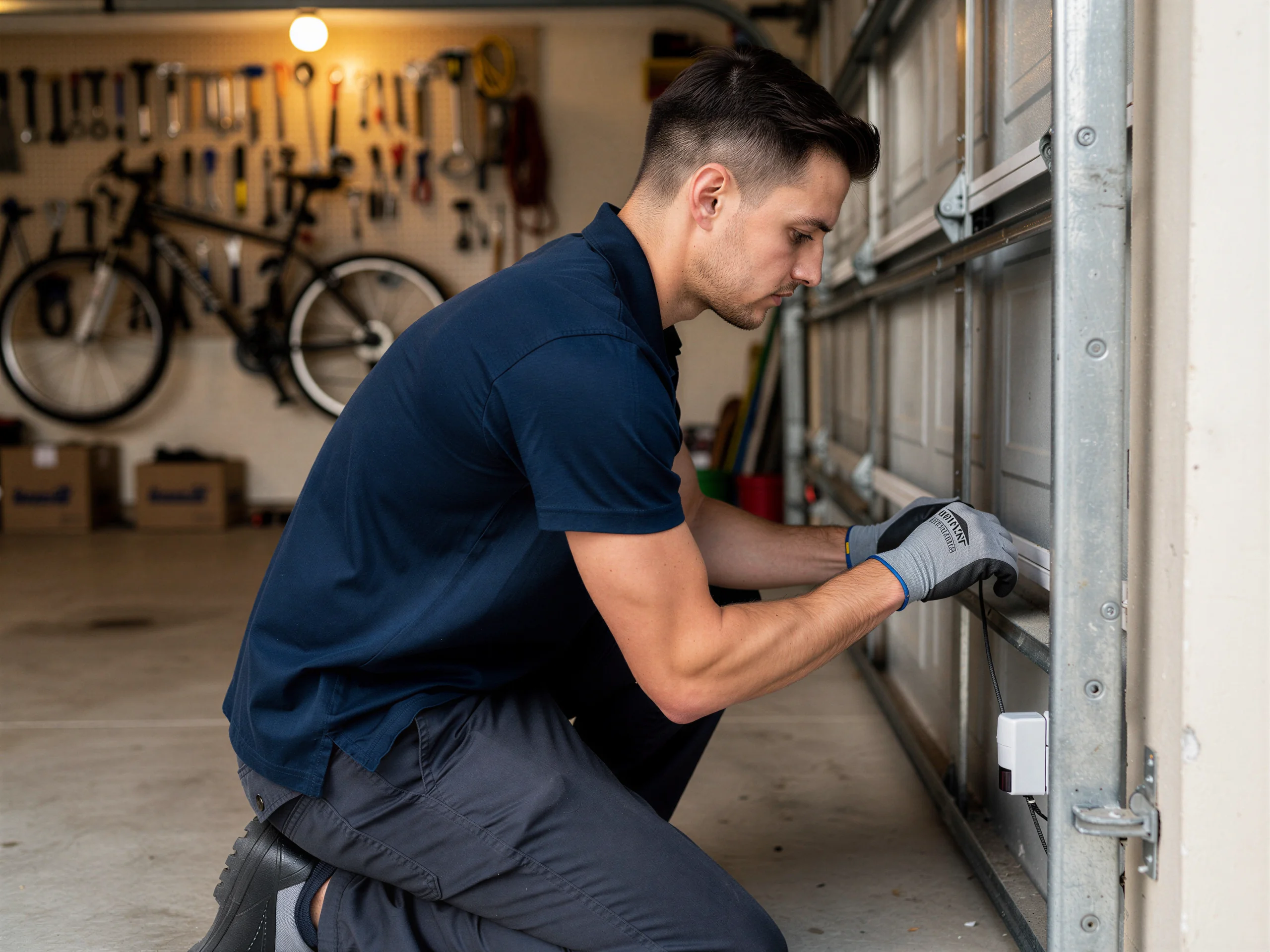
Garage door maintenance for Richland homes built mostly between 1981 and 2000, where original hardware is now 25-40 years old and overdue for a real inspection. Learn more →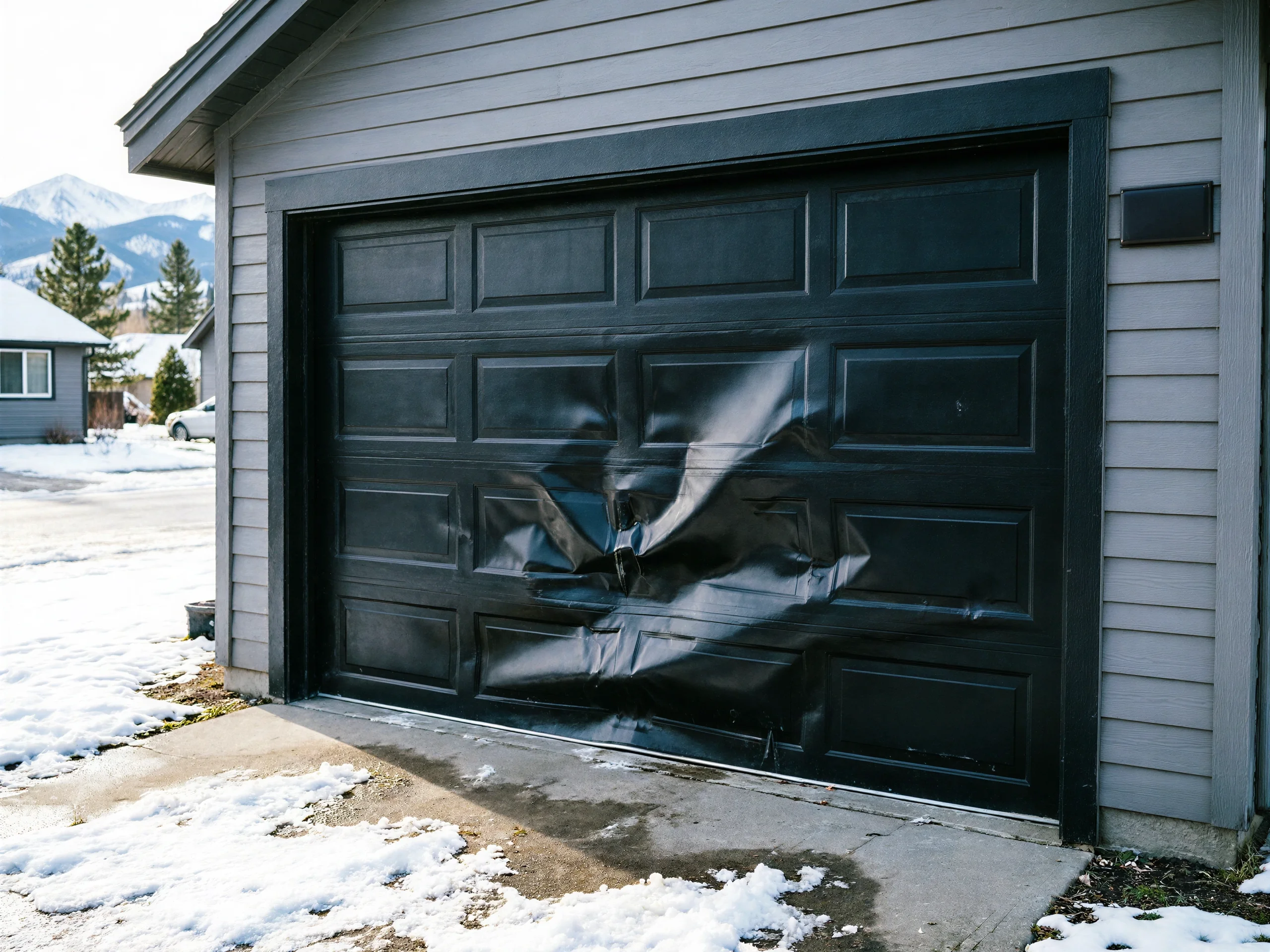
Garage Door Panel Replacement in Richland, WA
Dented or rotted garage door panels show up often on Richland's 1980s and 90s homes. Learn more →
Garage Door Service for Richland's 1980s and 90s Homes
Richland homes built between 1981 and 2000 are hitting the age where original springs and openers fail. Learn more →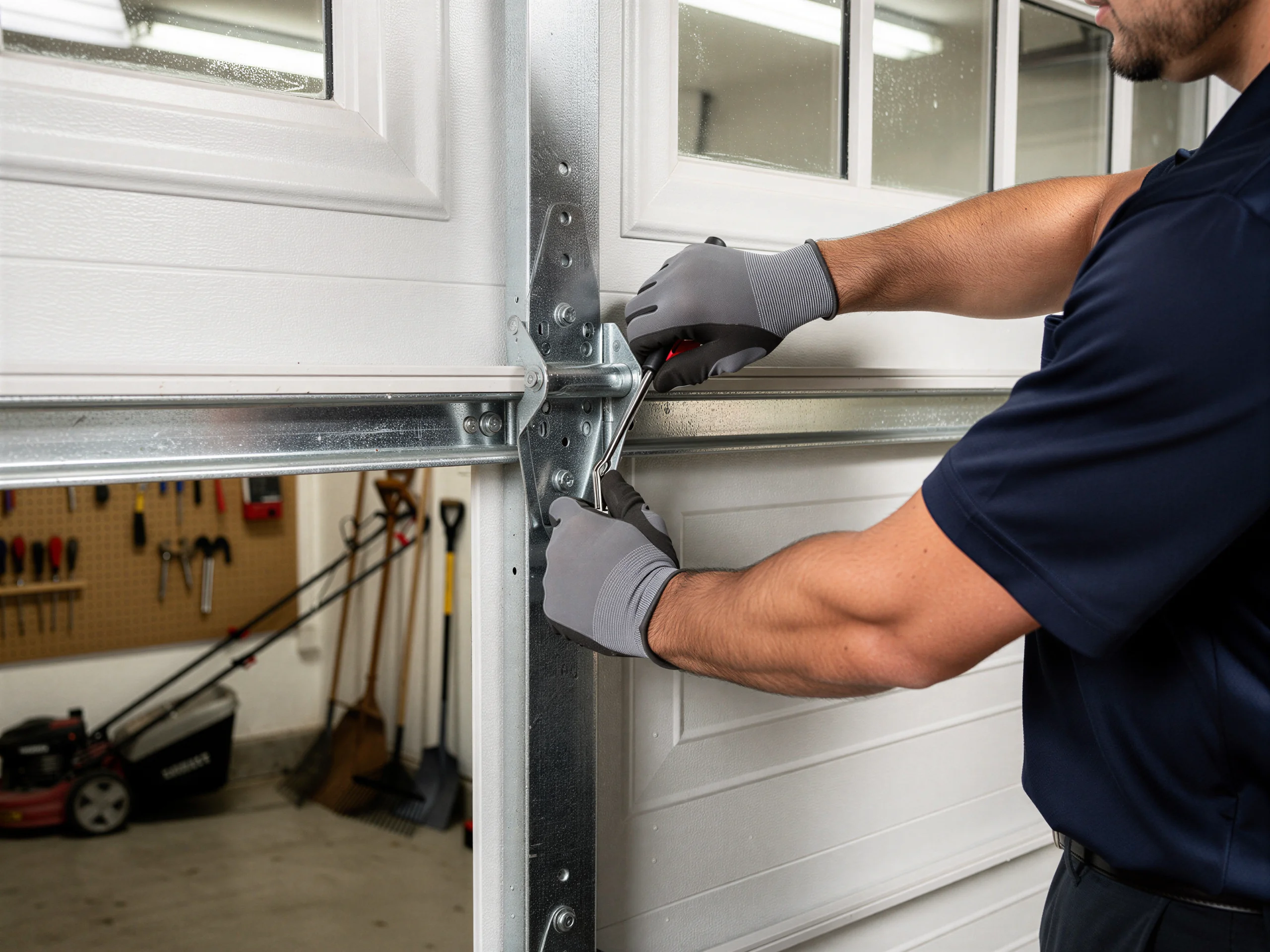
Garage Door Repair for Richland's 1980s and '90s Housing Stock
Garage door repair for Richland homes built mostly 1981-2000, where original torsion springs and worn rollers are now reaching the end of their rated cycles. Learn more →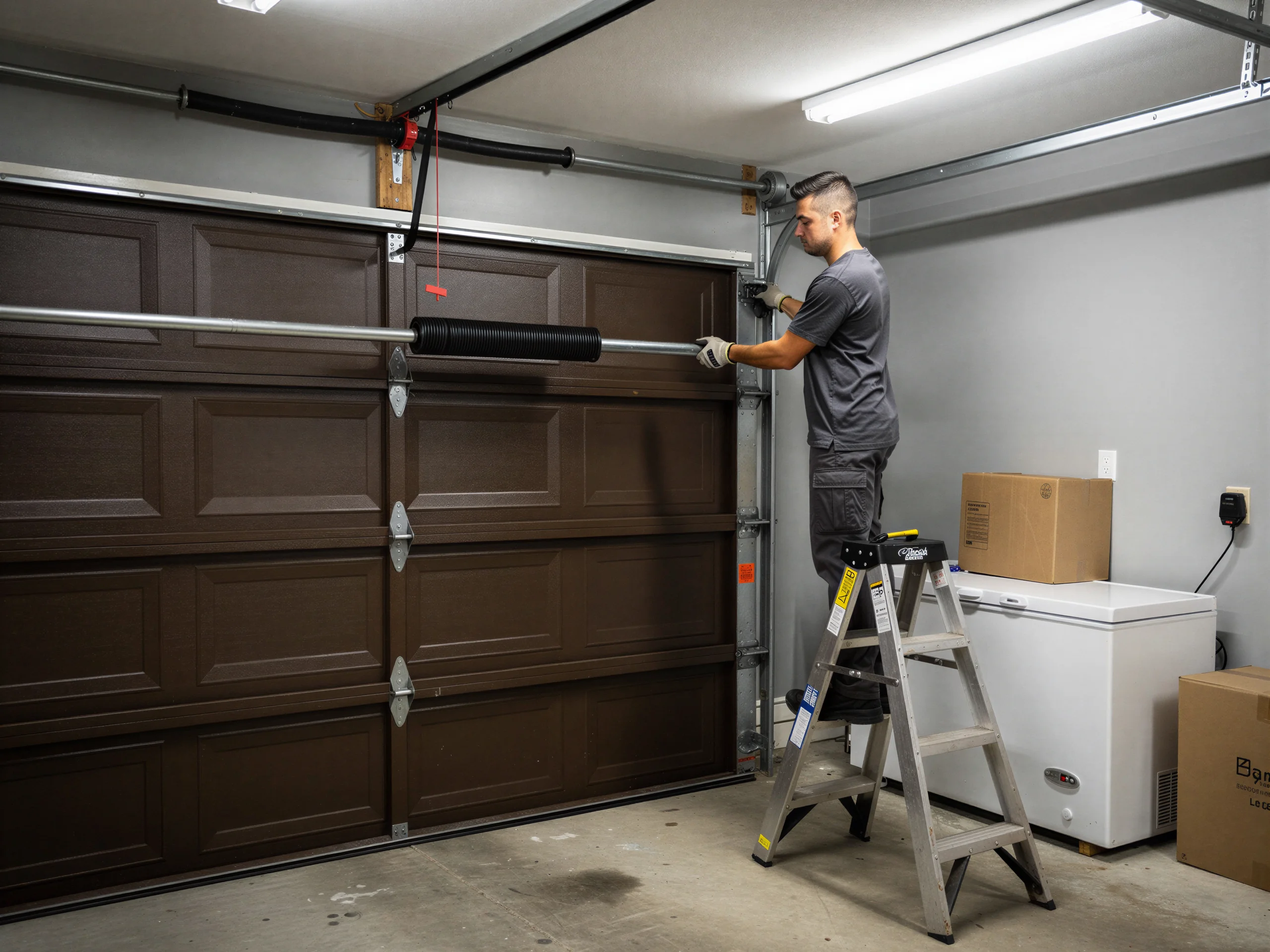
Garage Door Spring Repair for Richland Homes
Torsion springs in Richland homes built in the 1980s and 90s are aging out fast in our cold winters. Learn more →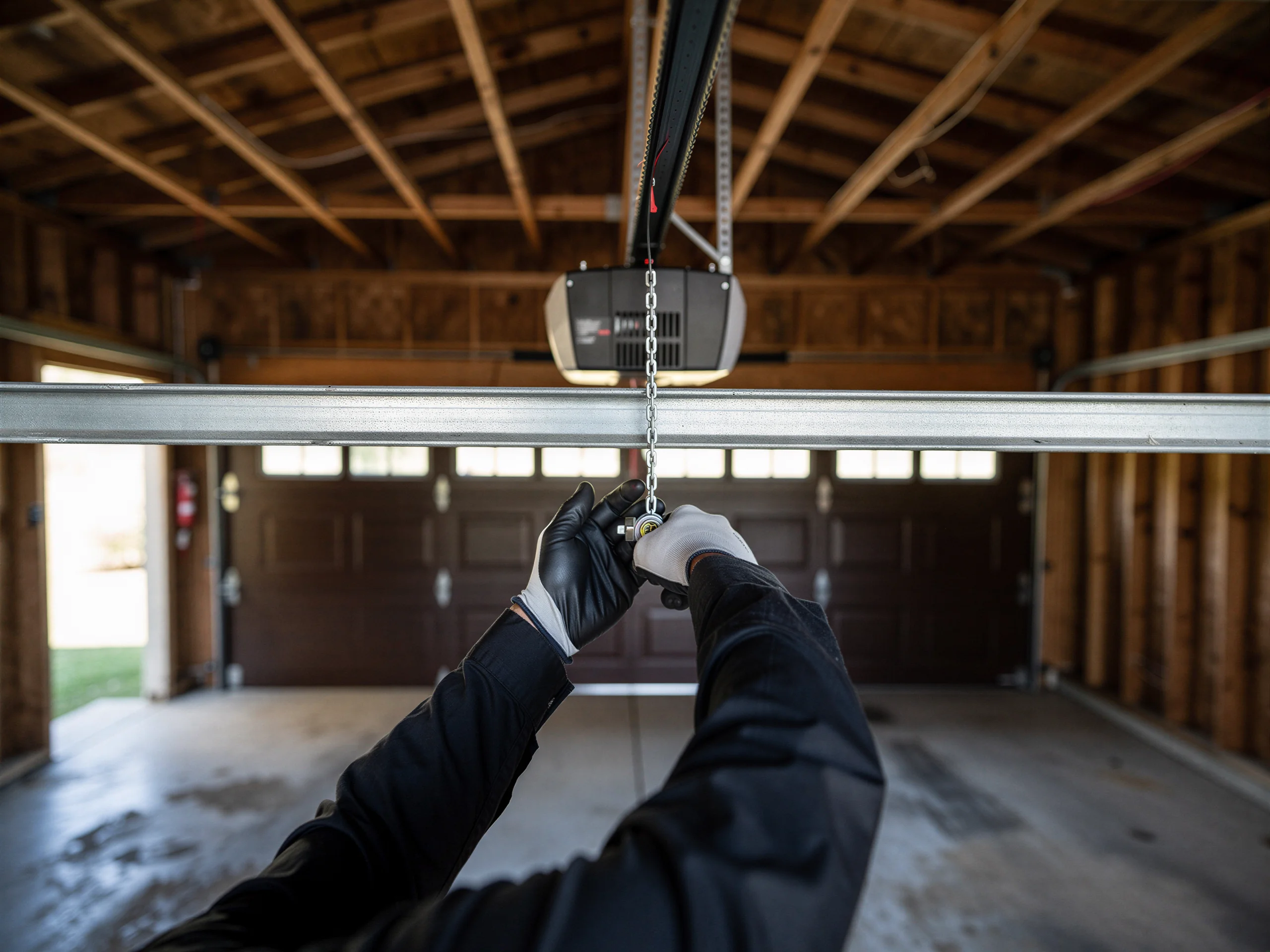
Garage Door Opener Repair for Richland Homes
Opener repair for Richland homes built mostly 1981-2000, where original gear-drive units and cold-soaked circuit boards are finally wearing out. Learn more →Ready when you are
Need a garage door sorted in Richland?
Richland Garage Door Pros repairs and installs garage doors, springs and openers in Richland, WA and the surrounding area.