
Blog
When the Power Goes Out on a Richland Garage Door
Richland homes built between 1981 and 2000 often have openers without battery backup. See how cold snaps and power cuts affect garage doors here today.
How Local Conditions Play In
Richland sits in a cold moderate climate band, which means winter brings hard freezes and the kind of weather that knocks power out for stretches at a time. Most of the houses across this side of town went up between 1981 and 2000, with that era of construction showing up consistently across the five areas we work in. That matters here because openers installed during those decades were built to a different standard than what you'd buy today. Battery backup wasn't common equipment on residential openers in the 1980s and 90s, so a lot of garages in Richland still run openers that simply stop working the second the power drops. Pair that with a cold snap tightening up the steel track and hardening old lubricant on the rollers, and you get a door that won't move by motor or by hand without some effort. This isn't a defect in any one door. It's what happens when a whole neighborhood of houses from the same build years hits a freeze-and-outage combination at the same time, which is exactly the pattern this area sees most winters.
The Problem
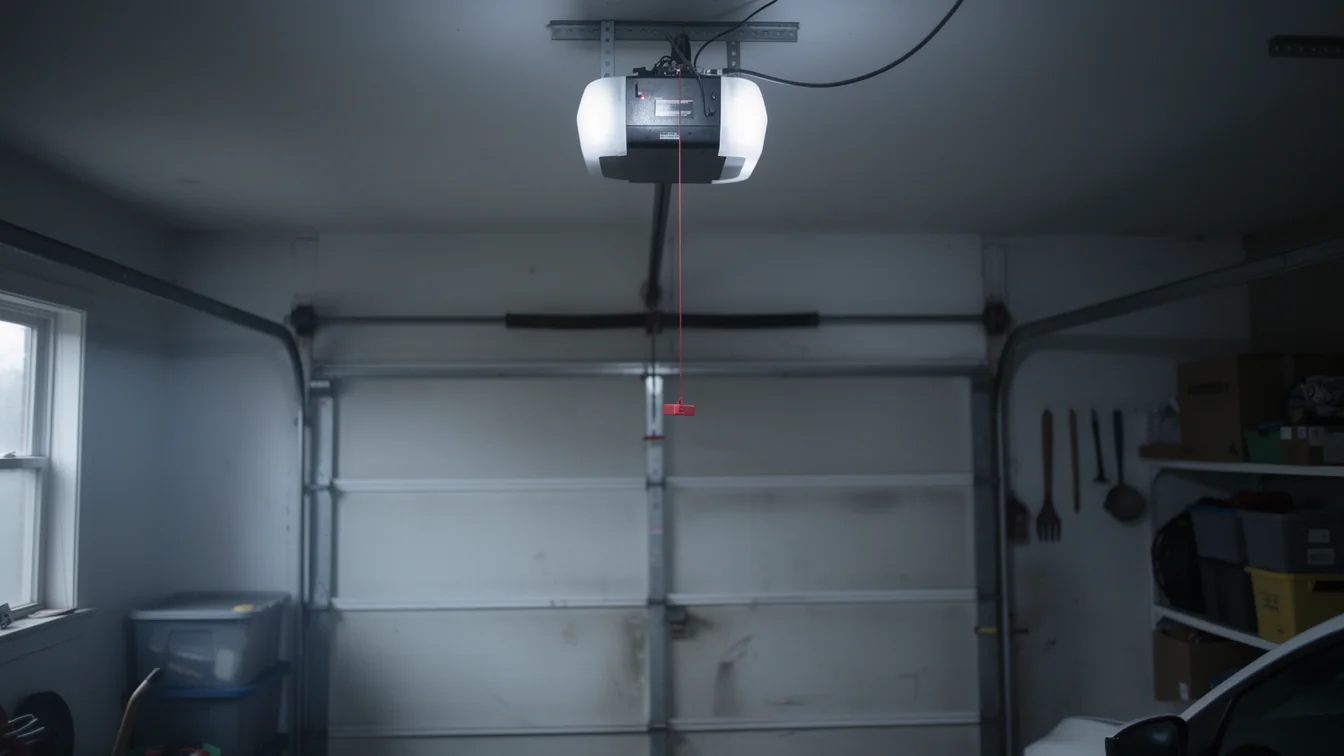
When the power cuts and the opener dies mid-cycle, the door is often left half open or fully down with the carriage still engaged to the rail. On a lot of the 1980s and 90s installs still running in Richland, the manual release cord is either hard to reach, painted over, or the homeowner has never actually pulled it. That cord disengages the carriage from the opener arm so you can lift the door by hand, but if nobody in the house knows it's there, a power cut turns into a locked-in car and a door that looks broken when it isn't. Cold makes it worse. Steel torsion springs stiffen slightly in freezing temperatures, and tracks that haven't been lubricated in years bind up more than usual right when you need to lift the door manually. None of this means the opener or the springs have failed. It means the backup plan - the manual release - either isn't known or isn't working the way it should when it's actually needed, which in a cold moderate climate is a real possibility most winters.
What Most People Get Wrong
The most common mistake is assuming the opener will just pick back up once power returns, with no need to check anything in between. On the older opener units common to Richland's 1981-2000 housing stock, a hard power cut can throw off the travel limits or leave the unit in a state where it needs to be reset rather than just restarted. People also tend to force the manual release lever without knowing it only works correctly if the door is fully closed or fully supported - pulling it mid-cycle on a door under spring tension is how fingers get pinched and cables get damaged. Another one: assuming a battery backup unit is standard equipment. It isn't on the opener generations still running in a lot of these houses, and retrofitting one is a separate job, not a setting you switch on. Last, people wait until the next outage to think about any of this, instead of finding the manual release and testing it once while the power's on and nothing's urgent.
The Cost of This Job
There's no single number that covers this because the job depends on what's actually wrong - a reset after a power cut costs nothing but time, while adding battery backup to an opener that never had it is real parts and real labor. With a median household income of $87,824 across the area, most owners here can plan for backup power as a deliberate upgrade rather than an emergency buy made at 11pm during an outage. Worth saying plainly: if your opener is original to a house built in the 1981-2000 window, battery backup retrofits aren't always available for that exact model, and sometimes the honest answer is that the opener itself is due for replacement rather than an add-on. We won't sell you a backup battery for a unit that's on its way out anyway. That's the one limitation worth knowing going in - sometimes the fix for a power-cut problem is a new opener, not a patch on the old one.
Questions
Common questions
Does my garage door opener have battery backup already?
If your house was built between 1981 and 2000, which covers most of this area, probably not as standard equipment. Battery backup became more common on openers much later. Check the opener housing for a battery compartment or a sticker mentioning backup power - if you don't see one, it likely doesn't have it.
What do I do if the power cuts out while the door is halfway open?
Find the manual release cord hanging from the carriage on the track and pull it only once the door is fully supported, either closed or braced. That disengages the opener arm so you can move the door by hand. Don't force it mid-cycle under spring tension.
Why does the door feel stiffer to lift by hand in winter?
Richland's cold moderate climate stiffens steel springs slightly and thickens old grease on rollers and track, so a door that lifts easily in summer can feel noticeably heavier during a hard freeze, especially right after a power cut when you're moving it manually.
Recommendation
You Might Also Like
More garage door guides for Richland homeowners.
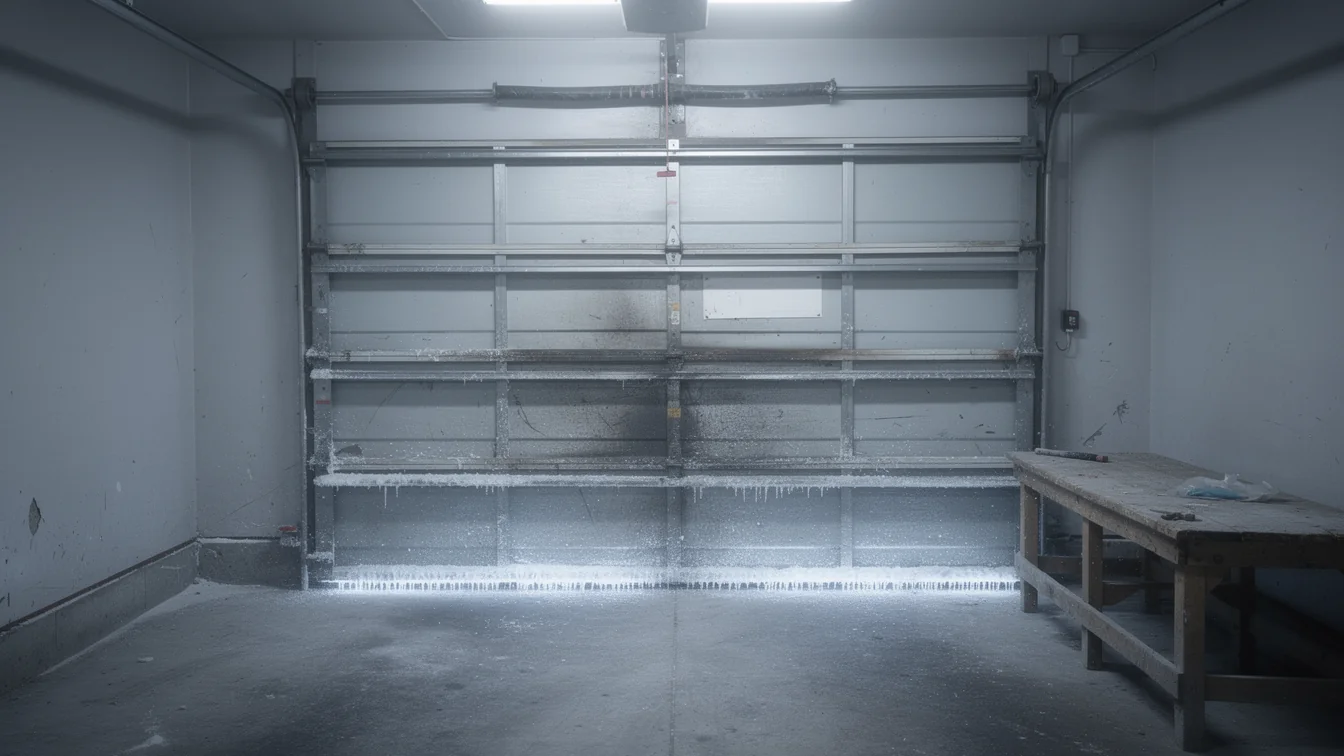
What 1980s and 90s Construction Means for Your Richland Garage Door
Richland homes built 1981-2000 often have garage doors with thin insulation, a real issue in our cold winters.
Read guide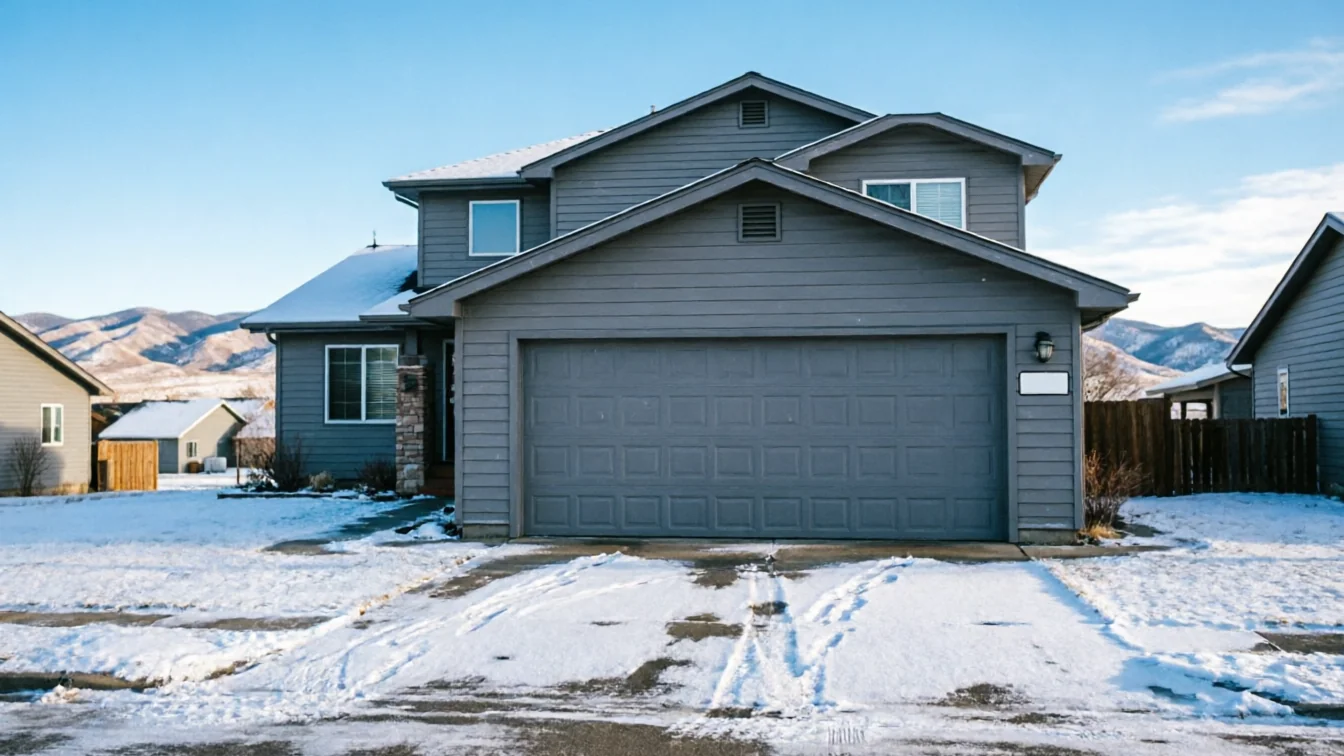
Why Richland's 1980s and 90s Homes Need a Different Approach to Garage Door Repair
Richland's housing stock dates mostly to 1981-2000, and cold snaps here stiffen old torsion springs fast.
Read guide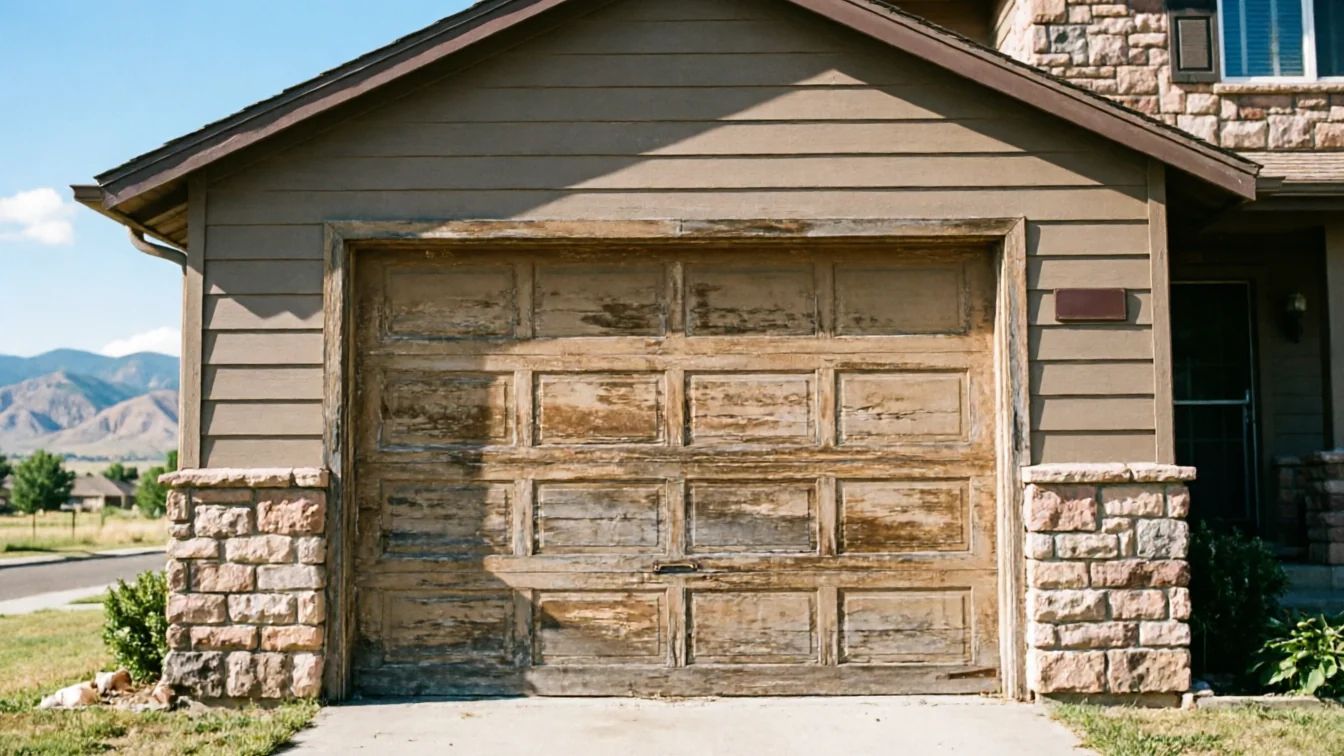
When an Older Door in Richland Is Worth Fixing (and When It Isn't)
Most Richland homes date to 1981-2000, so an original door may still be sound.
Read guideReady when you are
Need a garage door sorted in Richland?
Richland Garage Door Pros repairs and installs garage doors, springs and openers in Richland, WA and the surrounding area.