
Blog
When an Older Door in Richland Is Worth Fixing (and When It Isn't)
Most Richland homes date to 1981-2000, so an original door may still be sound. Here's how to tell if yours is worth fixing or ready to replace.
How Local Conditions Play In
Most of the houses we work on in Richland and the surrounding areas - West Richland, South Richland, West Pasco, Benton City, Finley, Burbank - went up between 1981 and 2000, with a median build year around 1989. That means a lot of original garage doors and openers are now somewhere between 25 and 44 years old. These weren't bad doors when they went in. Builder-grade steel sections, torsion springs sized for the era, chain-drive openers that were standard at the time.
The climate here sits in a cold-moderate band, which matters more than people think. It's not the brutal freeze of the mountains, but you still get enough winter swing that steel contracts, weatherstripping hardens and cracks, and grease in old bearings thickens up before it finally fails. None of that shows up overnight. It shows up as a door that's a little stiffer every winter, an opener that strains a bit more each year, until one day it doesn't open at all.
So the question of whether an old door is worth fixing isn't abstract here. It's tied directly to the fact that a huge share of Richland-area garage doors are all aging through the same window at once, in the same weather.
The Problem
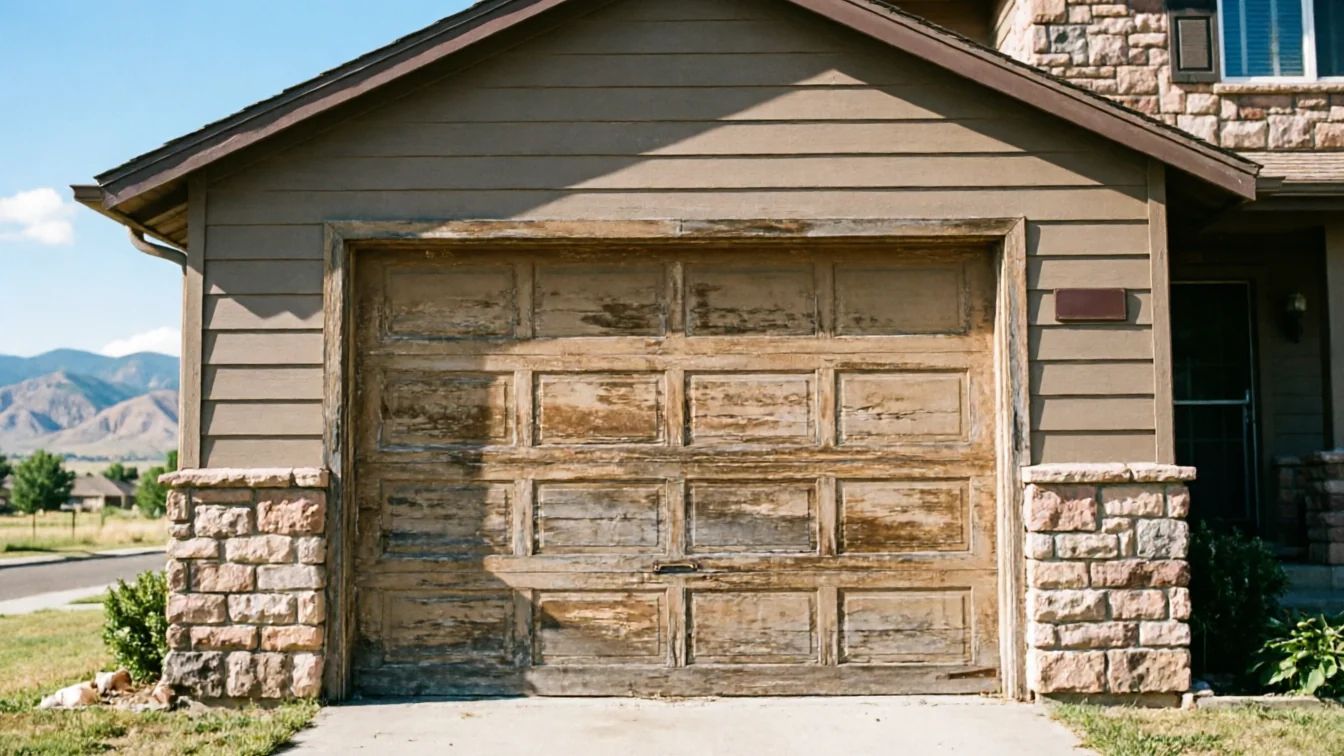
A door built when the house was built in the 1980s or 90s is usually original hardware front to back - same springs, same rollers, same opener, sometimes the same remote. By year 30 or 35, steel fatigues. Torsion springs are rated for a number of cycles, not a number of years, and a door used twice a day for three decades is well past where a factory spring is expected to hold.
The other problem is parts. An opener from that period might still run, but the logic board or the drive gear can be a part nobody stocks anymore. Same with some of the panel profiles and track widths from that construction era - they don't always match what's on the shelf today. That's a real limitation: we can't promise a drop-in match for every obsolete panel or every discontinued opener model, and sometimes a repair that looks simple on a newer door turns into a full section swap on an older one just because the original part doesn't exist anymore.
The spring and the opener are usually the first things to go. The door itself - the actual steel or wood panels - often outlasts both, which is part of why replacing everything at once isn't always the right call.
What Most People Get Wrong
The most common mistake is treating age as the deciding factor by itself. A door is not automatically junk because the house was built in 1989. If the panels are straight, the track is true, and the only failure is a spring or a worn opener gear, that's a repair, not a replacement - regardless of how old the house is.
The opposite mistake happens too: people keep throwing new springs and new openers at a door whose panels have already started to bow or whose track was never square to begin with. At that point you're repairing the parts around a structural problem instead of fixing the problem. With a 1980s or 90s door, the panels themselves have usually held up fine through Richland's winters - it's the moving hardware that wears first, not the steel.
The other thing people miss is how many houses in this area are on the exact same timeline. Across the roughly 6,445 owner-occupied houses in the service area, a large share were built in that same 1981-2000 stretch, which means the spring that just broke at your place is probably going to break at a neighbor's place within a year or two, give or take. It's not bad luck. It's the age of the stock.
The Cost of This Job
Cost decisions on an older door come down to what's actually failing versus what it would take to replace the whole unit. A spring job or opener swap is a fraction of a full door and opener replacement, and for a door whose panels and track are still sound, that's usually the right call regardless of the house's age.
Where it tips toward replacement is when you're stacking repairs - a new spring this year, an opener motor next year, a track repair after that - on a door that's already pushing 35 or 40 years old. At that point the math changes, because you're paying repair costs on hardware that's going to keep failing piece by piece.
The median household income across the Richland service area is $87,824, which puts a full replacement within reach for most owners when a repair stops making sense - it's not a stretch purchase for most households here, but it's also not something to do just because a door is old. We look at the actual condition of the springs, the track, and the panels before recommending either path. An honest limitation on our end: we can't always get an exact match for a discontinued panel style from this era, so a partial repair on some 80s and 90s doors means replacing more than just the damaged section.
Questions
Common questions
My garage door opener is from when the house was built in the late 80s. Is it worth fixing?
Depends what's wrong with it. If it's a worn gear or a dead capacitor, that's a straightforward repair even on an older unit. If the logic board has failed and the model is long discontinued, parts can be hard to source, and at that point a new opener is often the more practical fix.
Why did my spring break now after 30 years of no problems?
Torsion springs are rated by cycle count, not calendar years. A door opened twice a day for three decades has gone through tens of thousands of cycles. Combined with Richland's cold-moderate winters stiffening the steel, that's right in the range where original springs from the 1980s and 90s give out.
Should I replace the whole door if it's original to the house?
Not automatically. If the panels are straight and the track is true, the age of the house doesn't tell you much - the hardware wears out well before the steel does. We check panel condition and track alignment before recommending a full replacement over a repair.
Can you match the panel style on my older door if one section gets damaged?
Sometimes, sometimes not. Panel profiles and widths from the 1980s and 90s construction era aren't all still made. We'll tell you upfront if we can't get a matching section, since in that case a full door replacement makes more sense than a mismatched patch.
Recommendation
You Might Also Like
More garage door guides for Richland homeowners.
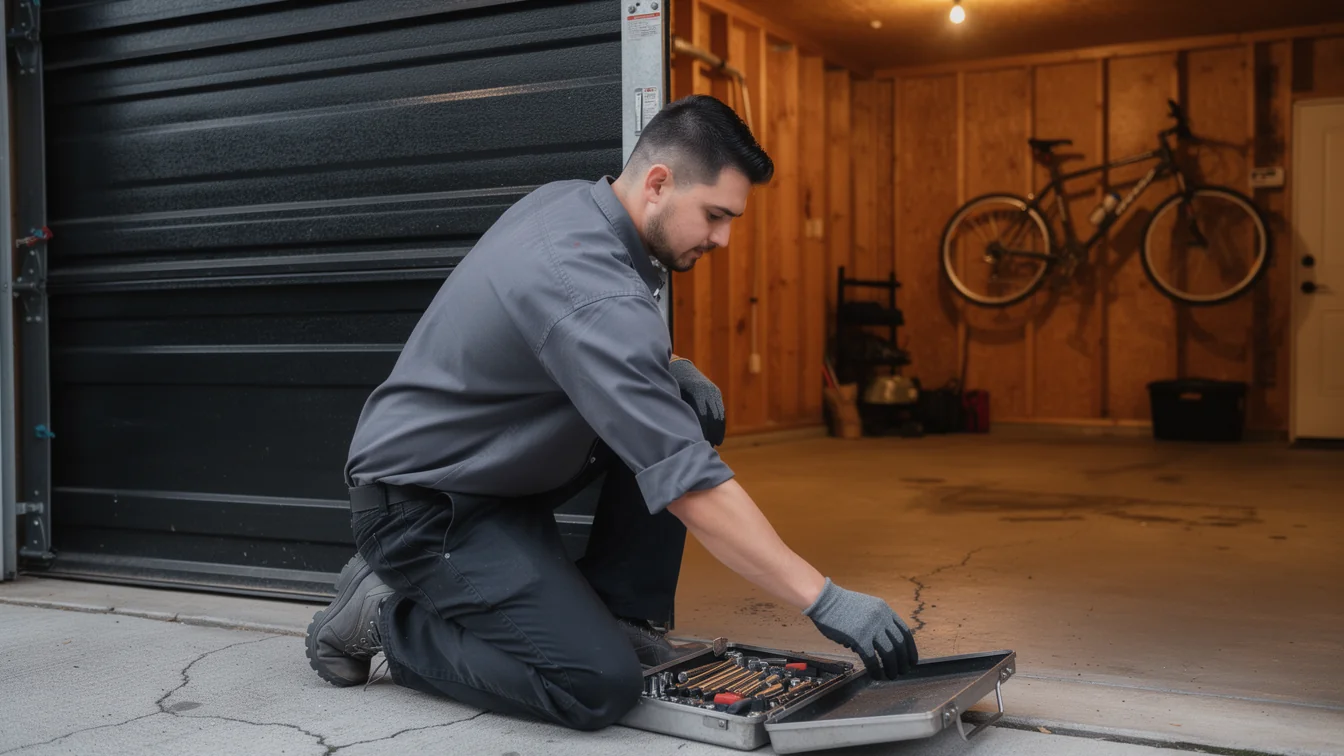
What a Service Call Actually Covers in Richland
In Richland, WA, where most houses date to the 1980s-90s, here's exactly what a garage door service call checks, tests, adjusts, and leaves working right.
Read guide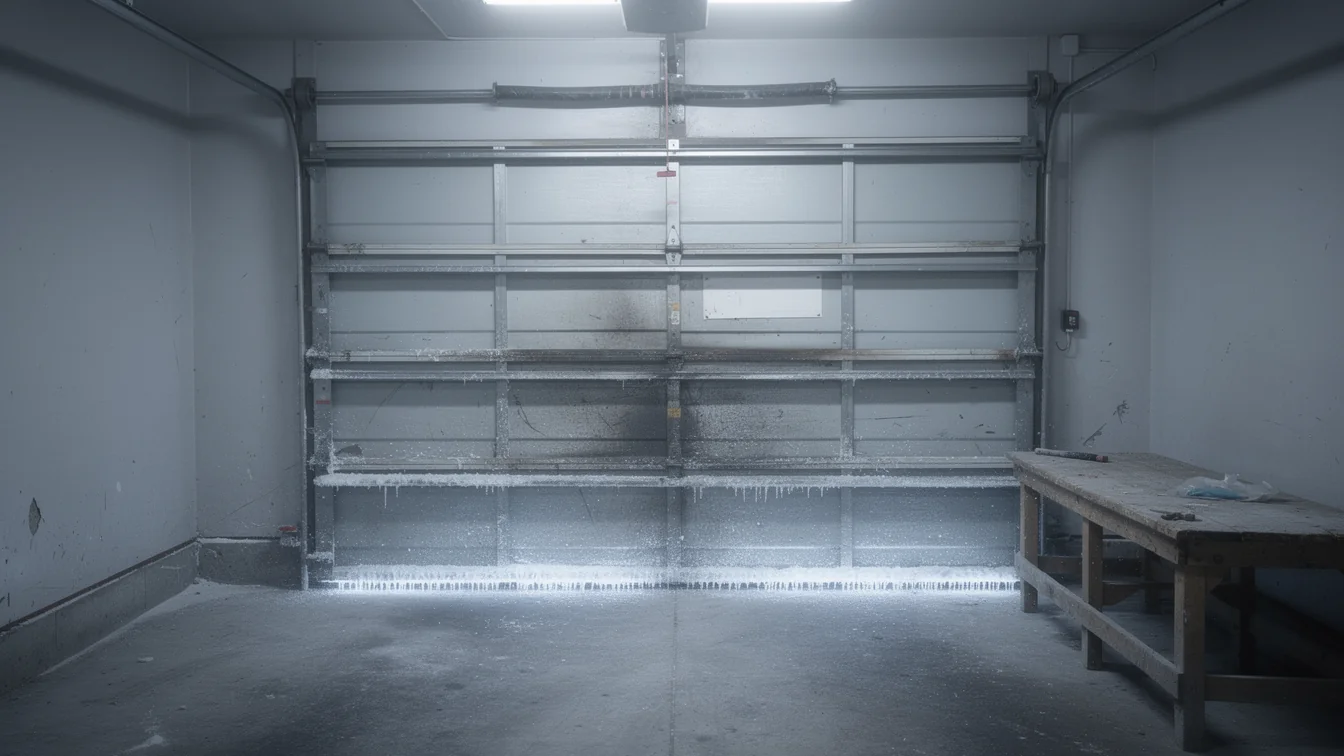
What 1980s and 90s Construction Means for Your Richland Garage Door
Richland homes built 1981-2000 often have garage doors with thin insulation, a real issue in our cold winters.
Read guide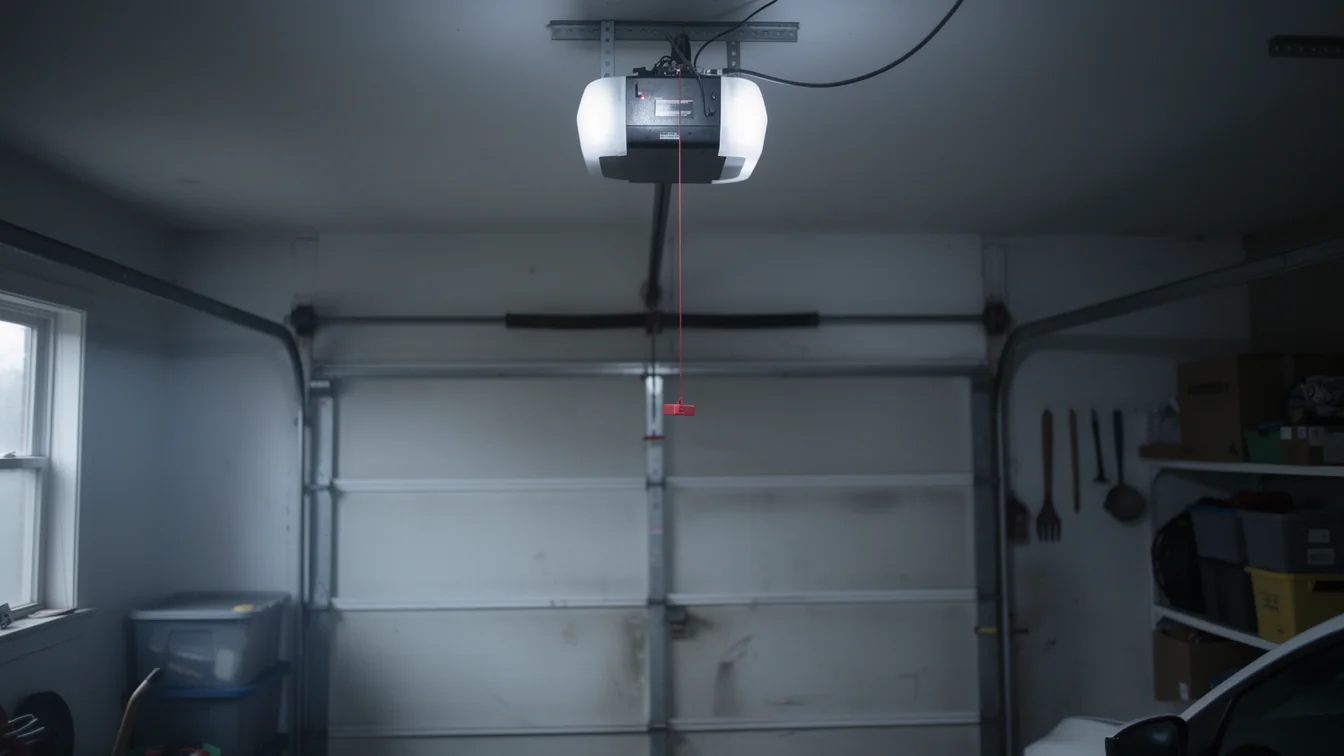
When the Power Goes Out on a Richland Garage Door
Richland homes built between 1981 and 2000 often have openers without battery backup.
Read guideReady when you are
Need a garage door sorted in Richland?
Richland Garage Door Pros repairs and installs garage doors, springs and openers in Richland, WA and the surrounding area.